How Many Days in Japan Should You Plan for in 2026?
The best trip length for Japan includes 10 to 14 days for a first visit covering Tokyo, Kyoto, and Osaka, 7 days for fast city highlights, and 21 days for rural exploration. Book high-demand attractions early, minimize hotel changes, and set up mobile data for seamless train navigation.

For a complete first visit, 10 to 14 days is the ideal amount of time to spend in Japan, while 7 days is the absolute minimum needed to see the essential Golden Route highlights of Tokyo, Kyoto, and Osaka.
Your trip duration ultimately depends on your travel pace, budget, and how many regional day trips you want to add.
This blog breaks down how many days in Japan you need based on different trip lengths, travel styles, and seasonal factors.
You will also find practical sample itineraries to help you figure out how to plan a trip to Japan without feeling rushed.

How Many Days Should You Spend in Japan?
You should spend 10 to 14 days in Japan for a complete first visit. This timeline allows you to comfortably explore Tokyo, Kyoto, and Osaka while adding scenic day trips.
A 7-day trip is the absolute minimum required to see the basic highlights, though a shorter stay forces a very rushed pace.
| Trip Length | Best For | What You Can Realistically Do |
|---|---|---|
| 5–7 Days | A fast-paced highlight tour | Explore the top sights in Tokyo, catch a bullet train to Kyoto for iconic temples, and see the bright lights of Osaka. |
| 10–14 Days | A complete first-time experience | Travel the classic Golden Route comfortably while adding day trips to Nara, Mount Fuji, Hiroshima, or Hakone. |
| 14–21 Days | Deep regional exploration | Venture beyond the main cities to explore the historic streets of Kanazawa, the shrines of Nikko, or the islands of Kyushu and Hokkaido. |
| 21+ Days | Slow travel and hidden gems | Immerse yourself in rural villages, hike ancient trails like the Kumano Kodo, and travel extensively across multiple islands. |
How Many Days Do You Need in Japan for Your Travel Style?
Your personal travel style directly determines how many days you need in Japan to get the most out of your experience.
- First-Timers, Families, and Couples: Plan for 10 to 14 days to seamlessly blend the bullet train route with the best places to visit in Japan without burning out.
- Culture, History, and Food Lovers: A duration of 14 days lets you dive deep into Kyoto temples, Osaka street food, and historic Kanazawa neighborhoods.
- Slow Travelers and Day-Trippers: Allocate 14 to 21 days so you can easily figure out how to plan a trip to Japan that includes relaxed regional exploration.
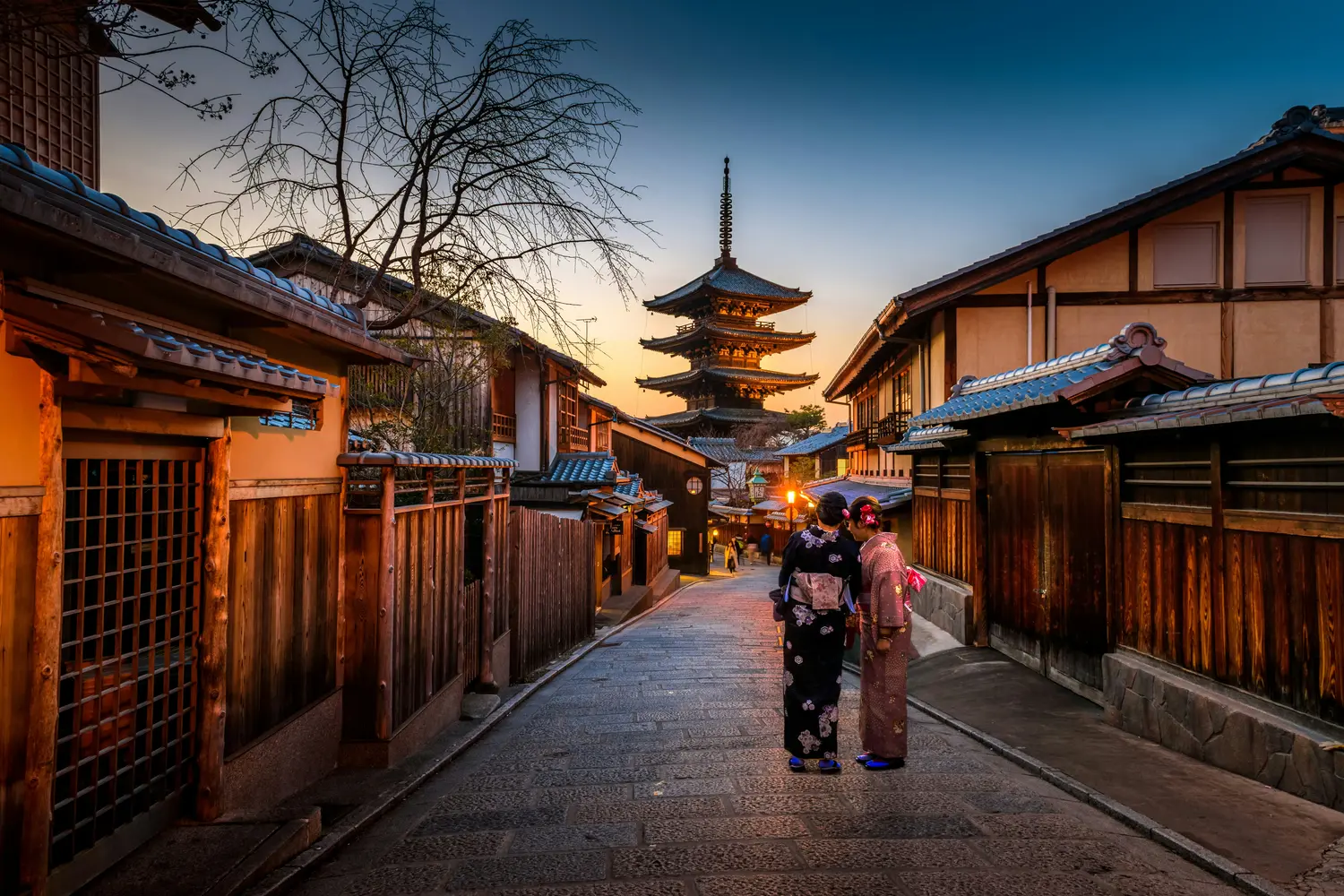
Read more: Planning your first trip? Get essential advice on navigating transit, managing expenses, and building smooth itineraries. Read our blog 👉 Japan Travel Guide for First-Timers: Itinerary, Costs, Transport & Tips
What Can You See in Japan in Different Amounts of Time?
When deciding how many days to spend in Japan, you must weigh the speed of travel against what you will inevitably miss.
- 2 to 3 Days (The Ultra-Short Stopover): If you are asking for 2 days in Japan, it is only sufficient for a quick layover in a single city like Tokyo. You will barely scratch the surface, experience heavy jet lag, and miss out on regional travel entirely.
- 5 to 7 Days (The Express Route): Covers Tokyo and Kyoto basics. The major trade-off is a breakneck pace, minimal downtime, and zero flexibility for any day trips from Japan's major metropolitan hubs.
- 10 to 14 Days (The Classic Balance): Offers a comfortable mix of Tokyo, Kyoto, and Osaka. This timeline lets you maximize modern Japan transportation links, like the Shinkansen, while adding a couple of regional overnight stays.
- 21 Days (The Deep Dive): Allows for comprehensive island travel. You can easily add extensive regional choices like Hokkaido or Kyushu without sacrificing a relaxed pace.
Suggested Japan Itinerary Based on Your Trip Length
Choosing a realistic Japan travel itinerary ensures you do not waste precious travel days in transit. For a standard 10-day trip, your route should focus strictly on the classic Golden Route corridor.
We recommend spending four nights in Tokyo, four nights in Kyoto, and two nights in Osaka to keep your pace manageable.
If you expand to a 14-day trip, you can easily add overnight places to stay in Japan's scenic mountain regions like Hakone or Takayama.
When time is limited to a single week, drop all peripheral destinations to avoid moving hotels daily, and consult a smart Japan packing list to travel light between train stations.

Read more: Overwhelmed by trip logistics? Follow a simple, step-by-step roadmap to organize transit, hotels, and daily plans seamlessly. Read our blog 👉 How to Plan a Trip to Japan: Step-by-Step Beginner Guide
What Affects How Many Days You Need in Japan?
Several practical logistical factors shift the reality of how many days in Japan your specific trip will actually require.
- Attractions and Opening Hours: The number of popular things to do in Japan is vast, meaning you must plan around the early closing times of historic Kyoto temples.
- Travel and Transit Times: High-speed bullet trains link major regions quickly, but navigating large train stations and local buses requires dedicated buffer time.
- Day Trips: Adding excursions to places like Nara, Nikko, or Hiroshima instantly increases your total required stay by a full day per trip.
- Pace and Interests: Travelers wanting deep cultural immersion or food exploration need a much slower pace than those checking off basic sightseeing landmarks.
- Season and Daylight: Choosing the winter months means fewer daylight hours for sightseeing. If you want longer days for an active itinerary, spring or summer is much better.
- Crowds and Booking Windows: Peak festival seasons slow down foot travel significantly, requiring advance reservations for trains, hotels, and major thematic attractions.
- Practical Mobility Needs: Traveling with young children, heavy luggage, or limited mobility naturally slows daily itineraries down, requiring extra days to prevent exhaustion.
Should You Spend More Days in Japan?
Extending your stay gives you the flexibility to experience the country beyond the main transit corridor.
Adding an extra two or three days is highly worthwhile if you want to explore the countryside, see coastal areas like Hiroshima, or stay overnight in the Japanese Alps.
However, you must consider the financial impact. Extra nights will naturally increase how much a trip to Japan costs, especially when factoring in premium accommodation and rail transit.
Essential travel tips for Japan suggest that if you only want to visit more city shopping districts, your time and money are better spent elsewhere.

Read more: Looking to stretch your funds? Discover smart ways to save on dining, transit passes, and daily sightseeing. Read our blog 👉 Japan Budgeting Tips to Make the Most of Your Yen
Best Time to Visit Japan and How It Affects Your Stay
The weather and seasonal daylight hours directly dictate how efficiently you move between destinations. Spring and autumn are widely considered the best time to visit Japan due to mild weather.
However, heavy crowds at popular cherry blossom sites can slow your daily transit pace.
In contrast, winter brings much shorter daylight hours for outdoor sightseeing. Despite less daytime, the colder season unlocks the best activities to do in Japan regarding premium snow sports and traditional alpine hot springs.
Summer weather introduces intense heat and humidity that will naturally slow your physical walking pace. Because of these climate shifts, a highlights itinerary that easily takes 3 days in Japan during spring might require four full days in July.
Practical Tips for Planning Your Stay in Japan
- Book high-demand attractions months in advance to secure slots.
- Account for long airport transfer times when arriving.
- Avoid changing your places to stay in Japan too frequently.
- Group nearby regional attractions together to minimize transit.
- Leave afternoon buffer windows instead of scheduling every hour.
- Check local holiday calendars to avoid heavy peak crowd volumes.
- Download the best travel apps for Japan before departure.
- Review a comprehensive transport guide and packing list early.
Read more: Preparing for your flight? Check essential entry rules, passport requirements, and travel authorization guidelines before taking off. Read our blog 👉 Do You Need a Visa to Travel to Japan?

Staying Connected with Jetpac While Exploring Japan
Deciding on how many days to spend in Japan requires reliable mobile data for train schedules, digital tickets, and navigation. Relying on carrier roaming or airport SIM lines wastes precious time.
Setting up a Japan eSIM before your flight lets you skip counter queues and connect instantly upon arrival.
When comparing options to find the best eSIM for Japan travel, standard plans cut off completely when data runs out.
A Jetpac eSIM for Japan keeps Google Maps, WhatsApp, and Uber accessible even after your data runs out, while saving you up to 70% compared to traditional international roaming charges.
Flexible data plans start as low as $2, connecting automatically across multiple top Japanese carriers for fast 5G speeds with 100% transparent pricing and no hidden fees.
FAQs
Is Japan worth visiting for a short duration?
Yes, even a short trip is worth it if you focus on one city. Spending 3 days in Japan lets you experience Tokyo basics, though you must accept a fast pace.
Is 7 days enough to see Japan?
Seven days is the absolute minimum needed to cover the essential Golden Route highlights of Tokyo, Kyoto, and Osaka. However, it forces a rushed schedule with zero time for day trips from Japan's main hubs.
What is the ideal number of days to spend in Japan?
Planning 10 to 14 days is ideal for a complete first visit. This timeline gives you enough space to balance major city sightseeing with scenic regional excursions without feeling completely burnt out.
Is 21 days too long to spend in Japan?
No, 21 days is not too long. It allows for deep regional exploration across multiple islands like Hokkaido or Kyushu, letting you enjoy rural villages and ancient hiking trails at a relaxed pace.
What should you prioritize if you have limited time in Japan?
Focus strictly on top landmarks in Tokyo and Kyoto while avoiding frequent hotel changes. You should skip peripheral destinations and group nearby iconic things to do in Japan together to save transit time.
How many days do you need in Japan for a first visit?
First-timers need 10 to 14 days to explore the classic Golden Route comfortably. Spring and autumn offer the best time to visit Japan, while winter unlocks the best activities to do in Japan, like hot springs.
Disclaimer
The information in this blog is based on travel data and local information available to the Jetpac team at the time of writing in 2026. Entry requirements, local rules, fees, and travel details are subject to change without notice. We recommend checking official government and tourism websites before travelling. Jetpac is not responsible for any changes or travel outcomes based on this content.
Get connected as soon as you land with a Jetpac travel eSIM.