Japan in January: Weather, Events, Things to Do & Travel Tips
Japan in January is ideal for skiing in Hokkaido and Nagano, relaxing in hot springs, and experiencing New Year traditions. Tokyo and Osaka are cold but often sunny, while Okinawa stays mild. Book ski stays early, check holiday closures, and prepare for possible snow-related transport delays.

Japan in January is a great time to visit for snowy landscapes, winter festivals, skiing, and traditional New Year celebrations. Tokyo and Osaka generally experience cold but relatively sunny weather, while Hokkaido and the Japanese Alps receive substantial snowfall.
January also brings hot spring experiences, seasonal food, and cultural events. However, the New Year holiday can affect opening hours, and heavy snow may disrupt transport in northern and mountain regions.
From the best destinations and winter activities to weather, festivals, travel costs, and packing essentials, this Japan travel guide covers what to know before your January 2027 trip. An eSIM for Japan can also help with navigation, train connections, and travel updates.

Is Japan Worth Visiting in January?
Yes, Japan in January is worth visiting, especially for winter sports enthusiasts, cultural travelers, families, and anyone interested in snowy scenery.
January offers excellent opportunities for skiing in Hokkaido and Nagano, relaxing in traditional hot springs, and experiencing New Year customs. Tokyo, Kyoto, and Osaka can also be less crowded after the holiday period than during the spring cherry blossom season.
Read more: Once you’ve settled on January, use How to Plan a Trip to Japan: Step-by-Step Beginner Guide to work out what to plan first.
Reasons to visit:
- Excellent skiing and snowboarding conditions in major mountain resorts.
- Traditional New Year celebrations and shrine visits.
- Cold, often sunny weather for sightseeing in Tokyo and Osaka.
- Snowy landscapes, hot springs, and winter illuminations.
- Seasonal festivals and professional sumo wrestling.
Things to consider:
- Heavy snow can disrupt mountain roads and regional transport.
- Accommodation at popular ski resorts can be expensive.
- Some shops, restaurants, and attractions close around New Year.
- Temperatures can fall well below freezing in northern regions.
For travelers wondering "is January a good time to visit Japan", the answer is yes, particularly for winter experiences. However, the best time to visit Japan depends on whether you prefer skiing, cherry blossoms, autumn foliage, or warmer sightseeing weather.
Weather in Japan in January
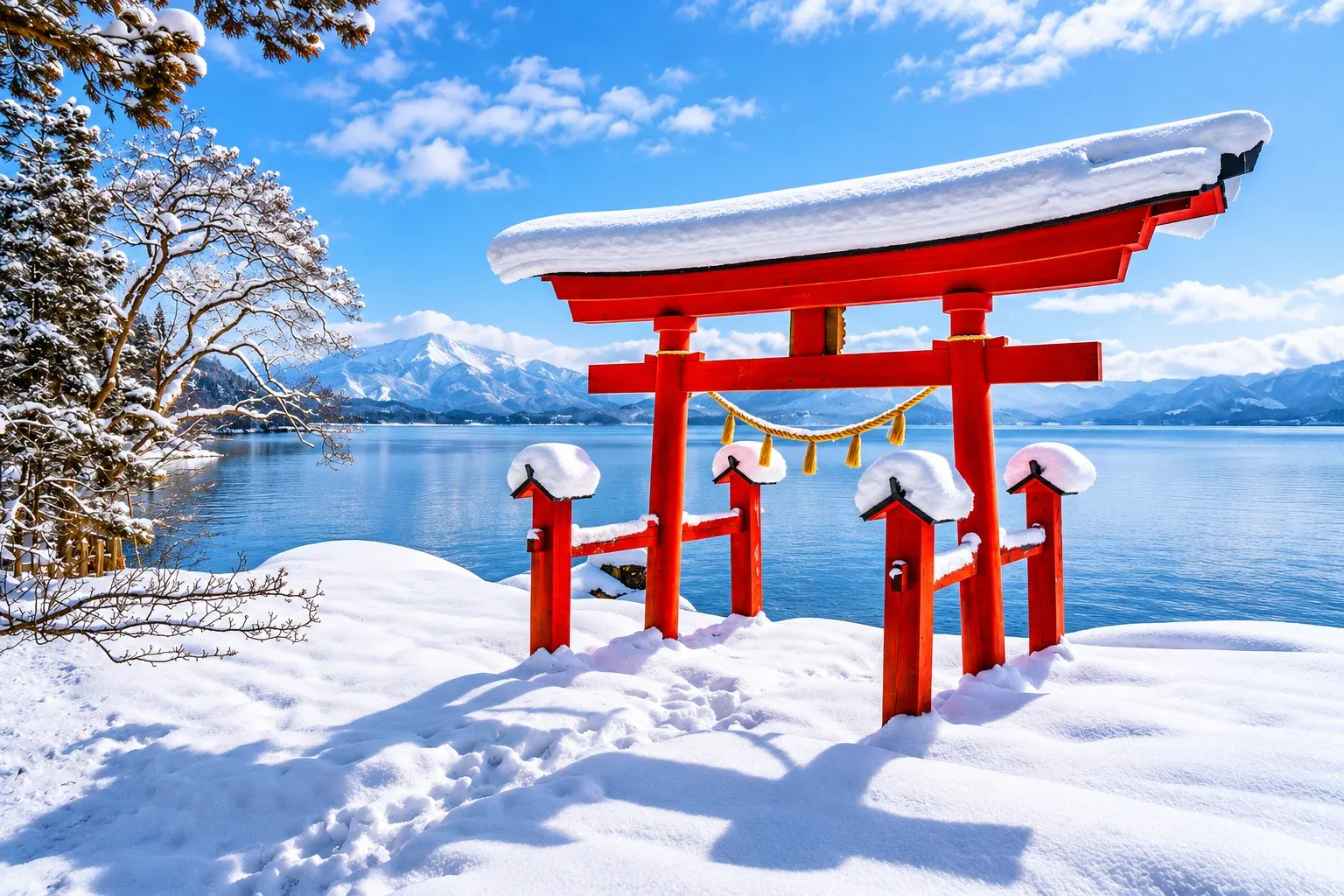
The weather in Japan in January varies considerably between the snowy north, relatively dry Pacific coast, mountainous interior, and subtropical south.
The Japan temperature in January ranges from average nighttime lows near -6°C (21°F) in Sapporo to daytime highs around 20°C (68°F) in Okinawa's capital, Naha. Tokyo and Osaka typically experience daytime temperatures near 10°C (50°F).
Japan Weather in January at a Glance
Japan January Weather & Regional Travel Guide
| Region | Typical Daytime Temperature | Typical Nighttime Temperature | Precipitation / Key Conditions | Travel Considerations |
|---|---|---|---|---|
| Eastern Japan (Tokyo) | 10°C (50°F) | 1°C (34°F) | Around 60 mm; cold, often sunny | Good for sightseeing with winter clothing |
| Western Japan (Osaka) | 10°C (50°F) | 3°C (37°F) | Around 47 mm; relatively dry, occasional snow | Suitable for temples and city activities |
| Northern Japan (Sapporo) | 0°C (32°F) | -6°C (21°F) | Around 108 mm; frequent snowfall | Prepare for icy roads and transport delays |
| Sea of Japan coast (Niigata) | 5°C (41°F) | 0°C (32°F) | Around 181 mm; frequent rain and snow | Allow flexibility for winter transport |
| Southern Japan (Naha, Okinawa) | 20°C (68°F) | 15°C (59°F) | Around 102 mm; mild, occasionally windy | Good for sightseeing, less suitable for swimming |
Tokyo, Kyoto, and Osaka
Tokyo and Osaka generally experience cold, relatively dry days, with more sunshine than Japan's snowy western coastal regions. Kyoto can feel particularly cold during early mornings and evenings, with occasional snowfall.
These conditions are suitable for sightseeing, although warm clothing is essential.
Hokkaido and Northern Japan
Hokkaido experiences freezing temperatures and frequent snowfall. Sapporo, Niseko, and other mountain destinations attract travelers for skiing and winter scenery.
If you're wondering, "does it snow in Japan in January", the answer is yes. Snow is common across Hokkaido, the Japanese Alps, and much of the Sea of Japan coast, but less frequent in Tokyo and Osaka.
Okinawa and Southern Japan
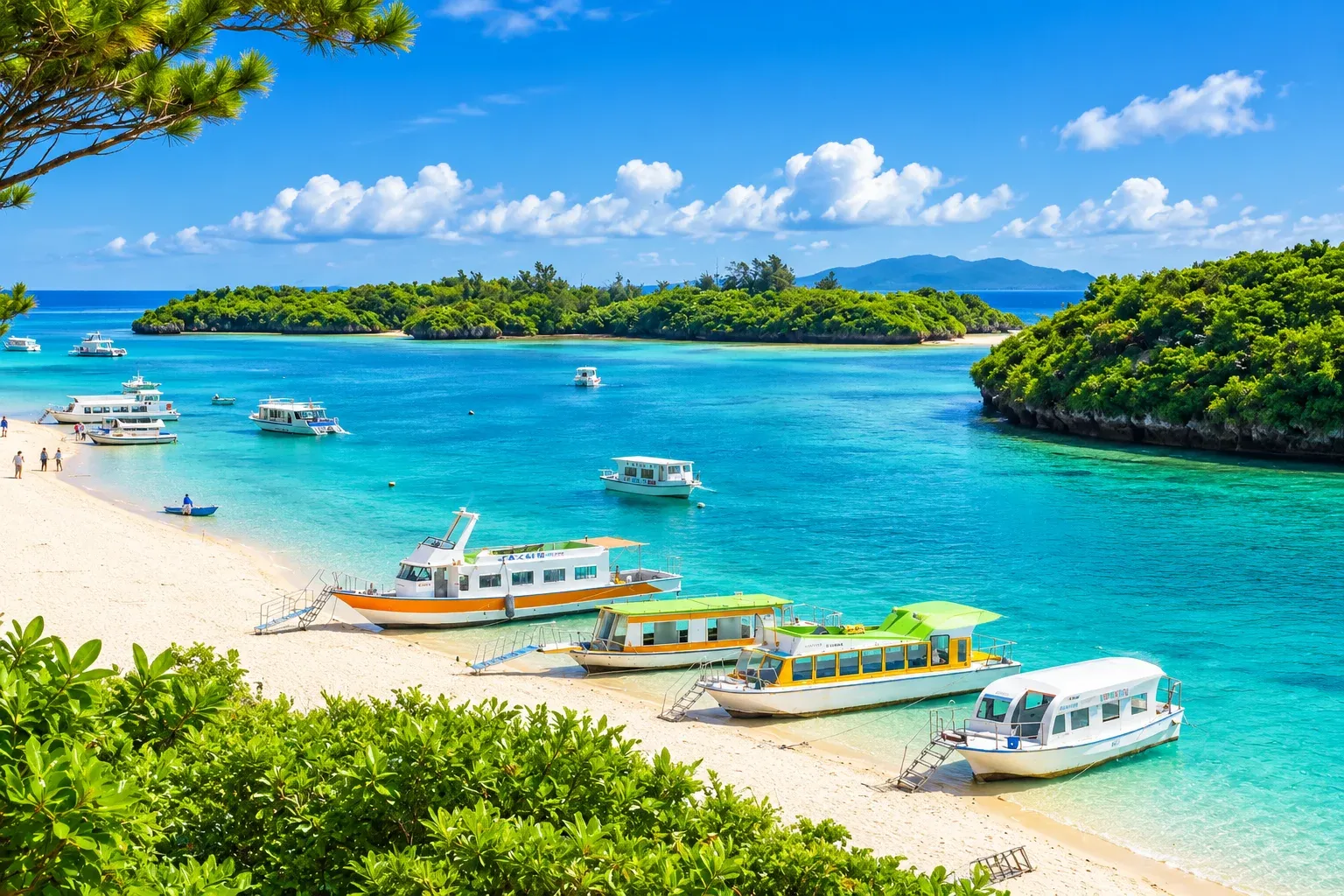
Okinawa is considerably milder than mainland Japan, with daytime temperatures around 20°C (68°F).
January is suitable for coastal walks, cultural sightseeing, and nature experiences. However, cooler water and windy conditions make swimming less appealing than during summer.
Japan in January can therefore feel like two different seasons, depending on whether you're exploring snowy Hokkaido or subtropical Okinawa.
Best Places to Visit in Japan in January
The best places to visit in Japan in January include snowy mountain resorts, historic cities, hot spring towns, and milder southern islands. These eight destinations offer different winter experiences.
#1. Hokkaido: Best for Skiing and Snowy Landscapes
Hokkaido is among the best places to visit in Japan for skiing, snowboarding, and winter scenery.
Niseko and Furano offer popular ski resorts, while Sapporo is known for snowy streets, winter food, and shopping.
Good to know: January is a busy ski season. Reserve accommodation and equipment early, and monitor snowfall before traveling between resorts.
#2. Tokyo: Best for New Year Traditions and City Sightseeing
Tokyo offers cold, often sunny weather that suits sightseeing, shopping, and cultural experiences.
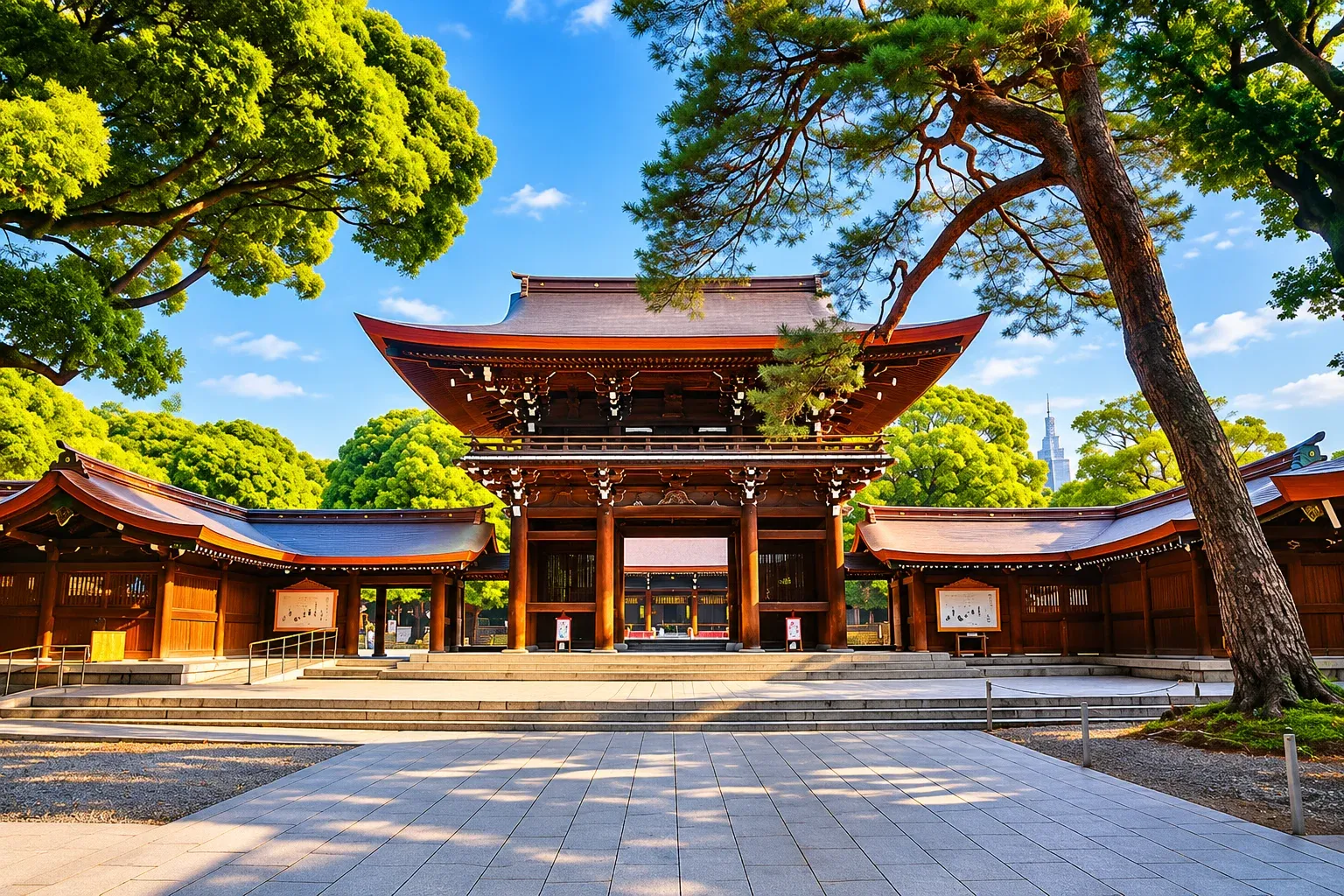
Visit Senso-ji Temple, Meiji Jingu Shrine, or traditional neighborhoods such as Asakusa. The January Grand Sumo Tournament also takes place in Tokyo.
Good to know: Popular shrines can be crowded during the first few days of January, while some businesses operate reduced holiday hours.
#3. Kyoto: Best for Winter Temples and Traditional Culture
Kyoto's historic temples, gardens, and traditional neighborhoods are particularly atmospheric during winter.
Explore Kinkaku-ji, Fushimi Inari Taisha, and the Higashiyama district. Occasional snowfall adds to the scenery, although it is not guaranteed.
Good to know: Early mornings can be very cold. Check New Year opening schedules for smaller attractions.
#4. Nagano: Best for Snow Monkeys and Hot Springs
Nagano offers snowy mountain scenery, ski resorts, and traditional hot spring towns.
Visit Jigokudani Snow Monkey Park, explore Nozawa Onsen, or enjoy winter sports in Hakuba.
Good to know: The trail to the snow monkey park can be icy. Wear waterproof footwear with good traction and check access conditions.
#5. Osaka: Best for Food and Winter City Experiences
Osaka combines relatively manageable winter weather with lively food districts and cultural attractions.
Explore Dotonbori, Osaka Castle, and local markets. January also brings Toka Ebisu celebrations at Imamiya Ebisu Shrine.
Good to know: Some restaurants and attractions close temporarily around New Year, so check opening hours.
#6. Shirakawa-go: Best for Snow-Covered Traditional Villages
Shirakawa-go in Gifu Prefecture is famous for its traditional gassho-zukuri farmhouses, which look especially striking under winter snow.
Explore the historic village, photograph its traditional architecture, and enjoy the mountain scenery.
Good to know: Winter light-up events have controlled access and reservation requirements. Check confirmed 2027 dates and road conditions before visiting.
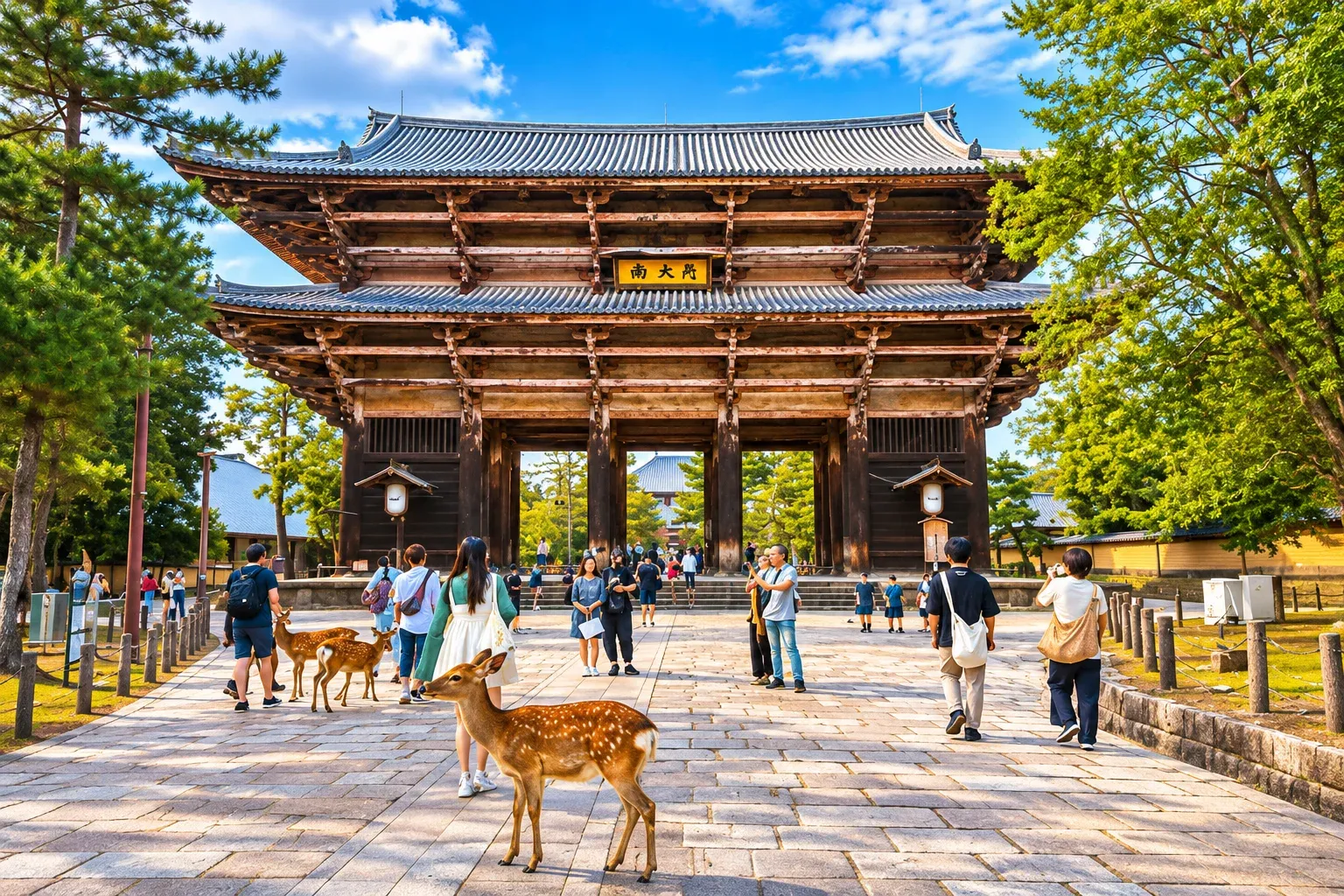
#7. Nara: Best for Historic Landmarks and Winter Festivals
Nara offers historic temples, scenic parkland, and one of Japan's distinctive January events.
Visit Todai-ji Temple, explore Nara Park, and attend Wakakusa Yamayaki on January 23, 2027, when Mount Wakakusa is ceremonially burned.
Good to know: The festival attracts crowds. Some viewing areas require tickets, and temporary traffic restrictions apply.
#8. Okinawa: Best for Mild Winter Weather
Okinawa is a good choice for travelers seeking milder temperatures rather than snow.
Explore Shurijo Castle Park, visit local markets, and enjoy coastal viewpoints. Early-blooming cherry blossoms may appear in northern Okinawa later in January, depending on seasonal conditions.
Good to know: January is not peak swimming season, and some marine activities may be affected by wind and sea conditions.
Best Things to Do in Japan in January
January offers experiences that are especially rewarding during winter, from snow sports to traditional celebrations.
- Go skiing or snowboarding: Visit resorts in Niseko, Furano, Hakuba, or Nozawa Onsen when snow and operating conditions allow.
- Relax in an onsen: Experience traditional Japanese hot springs in Nagano or other mountain resort areas.
- Experience Hatsumode: Join the traditional first shrine or temple visit of the year, especially during early January.
- Watch sumo wrestling: Attend the January Grand Sumo Tournament in Tokyo.
- See snow monkeys: Visit Jigokudani Snow Monkey Park, where Japanese macaques are known for bathing in hot springs.
- Enjoy winter illuminations: Explore seasonal light displays that continue into January in selected cities and resort areas.
- Try seasonal Japanese food: Enjoy hotpot, oden, ramen, and other warming winter dishes.
These things to do in Japan in January combine winter scenery, culture, and traditional experiences. Travelers researching Things to do in Japan should prioritize activities that are especially rewarding during the colder months.
Read more: See how many stops you can comfortably fit into your trip with Japan Travel Itinerary Guide: How to Plan Your Trip for 2, 7, 10, or 14 Days.
Events and Festivals in Japan in January 2027
January brings national holidays, traditional celebrations, sporting events, and regional winter festivals.
Japan Holiday Events & Festivals (January 2027)
| Event | Date | Location | What to Expect |
|---|---|---|---|
| New Year's Day (Shogatsu) | January 1, 2027 | Nationwide | Traditional celebrations and holiday closures |
| Hatsumode | Mainly January 1–3 | Shrines and temples nationwide | First shrine or temple visits of the year |
| Toka Ebisu | January 9–11, 2027 | Osaka and other Kansai locations | Traditional prayers for business prosperity |
| January Grand Sumo Tournament | January 10–24, 2027 | Ryogoku Kokugikan, Tokyo | Professional sumo wrestling |
| Coming of Age Day | January 11, 2027 | Nationwide | Ceremonies celebrating young adults |
| Nozawa Onsen Dosojin Fire Festival | January 13–15, 2027 | Nozawa Onsen, Nagano | Traditional ceremonies, including a restricted fire ceremony |
| Wakakusa Yamayaki | January 23, 2027 | Nara | Ceremonial hillside burning and fireworks |
New Year Celebrations: January 1–3
New Year is one of Japan's most important holiday periods. Families visit shrines and temples, share traditional meals, and participate in seasonal customs.
Many businesses close or operate reduced hours, while major shrines attract large crowds.
Read more: If the first shrine visit of the year piques your curiosity, discover more about the country in 20 Fun Facts About Japan You Probably Didn't Know.
January Grand Sumo Tournament: January 10–24, 2027
Tokyo hosts the January Grand Sumo Tournament at Ryogoku Kokugikan.
The tournament runs for 15 days, with professional wrestlers competing across different divisions. Advance ticket sales are scheduled to begin on December 5, 2026.
Booking tip: Popular days can sell out. Purchase tickets through authorized channels.
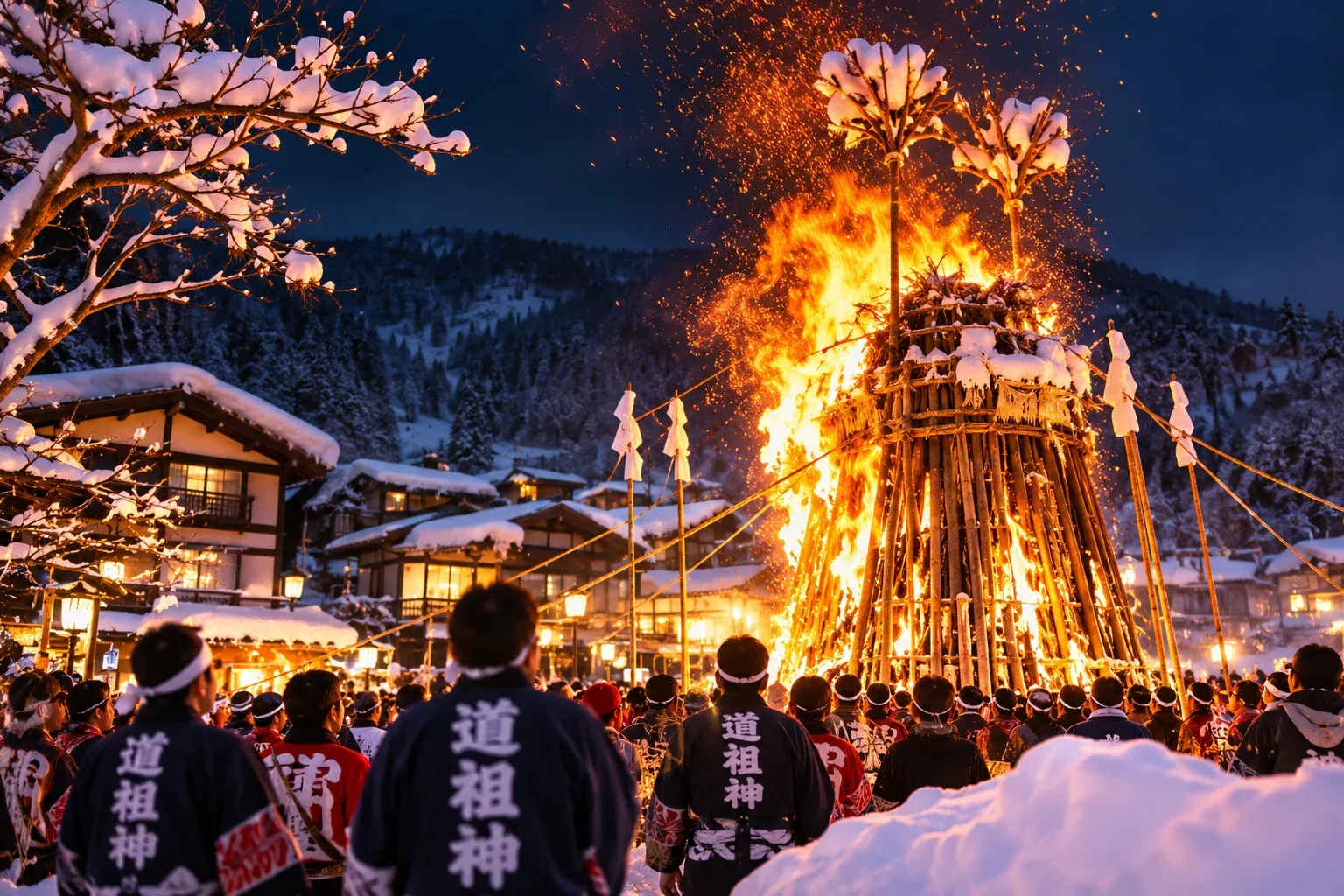
Nozawa Onsen Fire Festival: January 15, 2027
The Dosojin Fire Festival is a traditional winter celebration in Nozawa Onsen, featuring ceremonies held from January 13 to 15.
The main fire ceremony takes place on January 15. Evening access is restricted to village residents and eligible overnight guests, so day visitors should not assume they can attend.
Coming of Age Day: January 11, 2027
Coming of Age Day is a national holiday observed on the second Monday of January.
Local communities hold ceremonies recognizing young adults, and visitors may see participants wearing formal kimono or other traditional attire.
Wakakusa Yamayaki: January 23, 2027
Held in Nara, Wakakusa Yamayaki features fireworks followed by the ceremonial burning of Mount Wakakusa.
The event is scheduled for January 23, 2027. Paid viewing areas require advance tickets, and visitors should check traffic restrictions before traveling.
Note: Dates are based on published schedules and established annual observances. Access restrictions, event programs, and weather-related changes should be checked before visiting.
Crowds and Travel Costs in Japan in January
January has two distinct travel periods. The first few days are busy because of New Year, while many city destinations become less crowded later in the month.
Traveling to Japan in January may offer better accommodation value in Tokyo, Osaka, and some cultural destinations after the holiday period. However, Hokkaido, Nagano, and major ski resorts remain busy during winter sports season.
Japan Travel Cost
Estimated Daily Travel Budget Guidelines
| Travel Style | Approximate Daily Budget per Person |
|---|---|
| Budget | $70–110 |
| Mid-range | $150–250 |
| Luxury | $350+ |
Accommodation near major ski resorts can be considerably more expensive than ordinary city hotels. Long-distance train journeys can also increase Japan travel costs, especially when visiting multiple regions.
For better value, compare dates after the New Year holiday, book ski accommodation early, and avoid unnecessary long-distance transfers.
Read more: Once you’ve set aside money for stays and trains, stretch the rest of your budget with Japan Budgeting Tips to Make the Most of Your Yen.
What to Pack for Japan in January
Your Japan Packing List should account for freezing mountain temperatures, cold city weather, and milder conditions in Okinawa.
General essentials:
- Warm, insulated jacket.
- Thermal base layers and sweaters.
- Comfortable closed-toe shoes.
- Gloves, scarf, and warm hat.
- Moisturizer and lip balm for dry winter air.
- Portable power bank and travel adapter.
- Personal medication and compact umbrella.
For Hokkaido and snowy mountain regions:
- Waterproof insulated boots with good traction.
- Thermal socks and additional winter layers.
- Waterproof gloves and outerwear.
- Suitable ski clothing for winter sports.
For Tokyo, Kyoto, and Osaka:
- Warm coat and layered clothing.
- Comfortable walking shoes.
- Scarf and gloves for cold evenings.
For Okinawa:
- Lightweight layers for daytime.
- Jacket for cooler evenings.
- Wind-resistant outerwear for coastal activities.
If you're visiting multiple regions, keep your Japan Packing List flexible. Clothing suitable for Tokyo may not provide enough protection for skiing in Hokkaido or exploring snowy mountain villages.
8 Practical Travel Tips for Visiting Japan in January
Traveling to Japan in January requires planning around winter weather, transport conditions, and New Year closures.
- Check New Year opening hours: Some restaurants, shops, and attractions close temporarily during the first few days of January.
- Book winter accommodation early: Ski resorts in Hokkaido and Nagano experience strong demand during peak snow season.
- Monitor transport conditions: Heavy snowfall can delay trains, buses, domestic flights, and mountain road journeys.
- Understand Transportation in Japan: The Shinkansen, or bullet train, connects many major cities, while regional trains and buses serve smaller destinations. Compare routes and fares before choosing transport in japan.
- Confirm winter access: Mountain roads, hiking trails, and some sightseeing areas may close seasonally or temporarily during unsafe weather.
- Check attraction reservations: Some winter light-up events, including those in Shirakawa-go, require advance booking and have restricted access.
- Verify entry requirements: Visa rules depend on nationality. Check official Japanese immigration information before departure.
- Carry local currency: Some small restaurants, rural businesses, and transport services may prefer Japanese yen (JPY).
These Japan Travel Tips are especially useful for travelers combining cities with snowy mountain destinations. For those traveling to Japan in January for the first time, a seven- to ten-day itinerary covering Tokyo, Kyoto, and one winter destination offers a practical balance.
Read more: Check what applies to your passport in Do You Need a Visa to Travel to Japan?
Staying Connected in Japan
Mobile internet helps travelers use maps, train routes, translation apps, restaurant reservations, and real-time travel updates. A reliable connection is particularly useful when changing trains or traveling between cities.
Among the Best Travel Apps for Japan are Google Maps for navigation, translation apps for communication, and official railway apps for train schedules and service updates.
An eSIM for Japan is a convenient option for compatible, unlocked smartphones. Local prepaid SIM cards, pocket WiFi, and international roaming are alternatives.
When comparing eSIM Japan plans, consider network access, data allowances, validity, hotspot permissions, and speed restrictions.
How to Choose the Best eSIM for Japan
The right provider depends on your itinerary, data requirements, and budget. A short Tokyo trip may require less data than a longer journey involving navigation, translation, video calls, and frequent uploads.
When comparing providers for the Best eSIM for Japan Travel, consider usable data, coverage, hotspot support, and any restrictions after the regular allowance runs out. A cheaper plan is not necessarily better if it has lower data limits or unsuitable network coverage.
Jetpac is one option worth considering, with relevant benefits including:
- Essential-app access: Free access to WhatsApp chat, Google Maps navigation, Uber, and Grab after the regular data allowance runs out (subject to applicable conditions).
- In-app voice calling: Voice packs start at $1.99 for five minutes, which can be useful for contacting hotels or transport providers.
- Flight-delay lounge benefit: Travelers registered for Jetpac's SmartDelay service may receive complimentary lounge access when a qualifying flight delay occurs, subject to program eligibility and availability.
Before purchasing an eSIM Japan plan, compare its total cost and conditions with local prepaid SIM cards, pocket WiFi rentals, and roaming charges. Mobile coverage can vary in remote mountain areas and rural destinations.
FAQs
Is January a good time to visit Japan?
Yes. January is excellent for skiing, winter scenery, hot springs, and New Year traditions. Tokyo, Kyoto, and Osaka are also suitable for sightseeing, provided travelers prepare for cold weather.
What is the Japan temperature in January?
Tokyo typically experiences temperatures around 1–10°C (34–50°F), while Sapporo averages approximately -6–0°C (21–32°F). Okinawa is milder, with temperatures around 15–20°C (59–68°F).
Does it snow in Japan in January?
Yes. January is one of the snowiest months in Hokkaido, the Japanese Alps, and many areas along the Sea of Japan coast. Tokyo and Osaka receive much less snow, and snowfall there is not guaranteed.
Is Japan expensive in January?
Japan can be expensive during New Year and in popular ski resorts. Accommodation in major cities may offer better value later in January, especially when booked in advance.
What are the best places to visit in Japan in January?
Hokkaido and Nagano are ideal for skiing and snowy scenery, while Tokyo, Kyoto, and Osaka offer cultural sightseeing. Okinawa is a good option for milder winter weather.
Are there any festivals in Japan in January 2027?
Yes. Major events include the January Grand Sumo Tournament from January 10–24 and Wakakusa Yamayaki in Nara on January 23. New Year traditions, Coming of Age Day, and regional festivals also take place.
How many days do you need in Japan?
Seven to ten days works well for exploring two or three destinations. Allow 12–14 days or longer if you want to combine major cities with Hokkaido or the Japanese Alps.
Are tourist attractions open in January?
Most attractions operate in January, but some close or reduce hours around New Year. Ski resorts and winter attractions operate subject to weather, snow conditions, and scheduled maintenance.
Disclaimer
This blog is for educational purposes only. Weather information is based on historical climate averages and may differ from actual conditions in January 2027. Festival dates, event schedules, accommodation prices, transport services, attraction availability, and travel regulations may change without notice. Jetpac features, pricing, coverage, and eligibility are subject to applicable terms and availability. Travelers should verify important information with official authorities and service providers before booking or traveling. Jetpac is not responsible for changes, disruptions, losses, or decisions made based on this information.
Get connected as soon as you land with a Jetpac travel eSIM.