25 Best Souvenirs from Japan That Capture Its Culture
Top Japan souvenirs include matcha, regional Kit Kats, Mino ceramics, sensu fans, and skincare. Expect prices from ¥300 snacks to ¥18,000 crafts across markets, Loft, and duty-free hubs. Carry cash, use passports for tax-free savings, and pack fragile items carefully.

Finding the best souvenirs from Japan involves picking authentic items like matcha green tea, traditional sensu folding fans, regional Kit Kats, and handmade Mino ware ceramics. These items perfectly capture the country's rich heritage and modern creativity.
The range of available products spans local food specialties, traditional crafts, fashion, and beauty products. Choosing the right Japan souvenirs depends entirely on your specific interests, budget, and available luggage space.
This comprehensive overview covers exactly what Japan is famous for while explaining what to buy, where to find authentic items, and practical tips for bringing purchases home.

Best Souvenirs from Japan at a Glance
Japan Souvenirs & Gifts Shopping Guide
| Souvenir | Category | Best For | Approximate Price | Where to Buy |
|---|---|---|---|---|
| Regional Kit Kats | Food & Drink | Coworkers & Large Groups | ¥400 – ¥800 ($2.60 – $5.20 USD) | Don Quijote, Train Stations |
| Omamori Amulets | Cultural Keepsake | Friends seeking good luck | ¥400 – ¥1,000 ($2.60 – $6.50 USD) | Shinto Shrines & Buddhist Temples |
| Mino Ware Ceramics | Handmade Craft | Home display & daily use | ¥1,000 – ¥3,500 ($6.50 – $22.75 USD) | Ginza UNIQLO Coffee, Asakusa |
| Tenugui Cotton Cloth | Traditional Textile | Multifunctional decoration | ¥1,500 – ¥3,000 ($9.75 – $19.50 USD) | Specialty Shops (Kamawanu) |
| Uji Matcha Tea Powder | Food & Drink | Tea enthusiasts & bakers | ¥800 – ¥2,500 ($5.20 – $16.25 USD) | Uji region shops, Department stores |
| Sensu Folding Fans | Traditional Craft | Hot weather utility & display | ¥1,500 – ¥4,500 ($9.75 – $29.25 USD) | Kyoto traditional craft alleys |
| Japanese Sunscreen | Beauty & Skincare | Skincare enthusiasts | ¥800 – ¥3,000 ($5.20 – $19.50 USD) | Matsumoto Kiyoshi, Local drugstores |
| Shirakawa Daruma Dolls | Cultural Keepsake | Goal setting & wish fulfillment | ¥1,400 – ¥2,700 ($9.10 – $17.55 USD) | Fukushima craft shops, Online retailers |
| Washi Tape Assortments | Stationery | Crafters & journal creators | ¥300 – ¥800 ($1.95 – $5.20 USD) | LOFT stores, Tokyu Hands |
| Hinoki Masu Sake Cups | Handmade Craft | Celebration & drink display | ¥800 – ¥2,000 ($5.20 – $13.00 USD) | Specialty wooden craft boutiques |
| Premium Sake (Junmai) | Food & Drink | Alcohol collectors | ¥2,000 – ¥6,000 ($13.00 – $39.00 USD) | Mitsukoshi Department Store floors |
| Kurutoga Mechanical Pencils | Stationery | Writers, students, & designers | ¥500 – ¥1,200 ($3.25 – $7.80 USD) | Local stationery stores, Itoya |
Best Souvenirs to Buy in Japan
Traditional and Cultural Souvenirs
- Omamori Amulets: Sacred fabric charms providing protection or luck. You buy them at Shinto shrines and Buddhist temples for around ¥400 to ¥1,000.
- Sensu Folding Fans: Traditional bamboo and paper fans decorated with cultural motifs. They offer excellent hot-weather utility from Kyoto artisan shops for ¥1,500 to ¥4,500.
- Shirakawa Daruma Dolls: Paper-mache goal-setting items from Fukushima. You paint one eye when establishing a goal and the other upon completion. They cost ¥1,400 to ¥2,700.
- Yukata Cotton Robes: Lightweight summer kimonos frequently worn at local festivals. They represent classic gifts from Japan and cost ¥3,000 to ¥8,000 in traditional clothing stores.
- Kendama Toys: Traditional wooden cup-and-ball skill games. They are cool souvenirs from Japan available at specialty toy stores for ¥1,200 to ¥3,000.
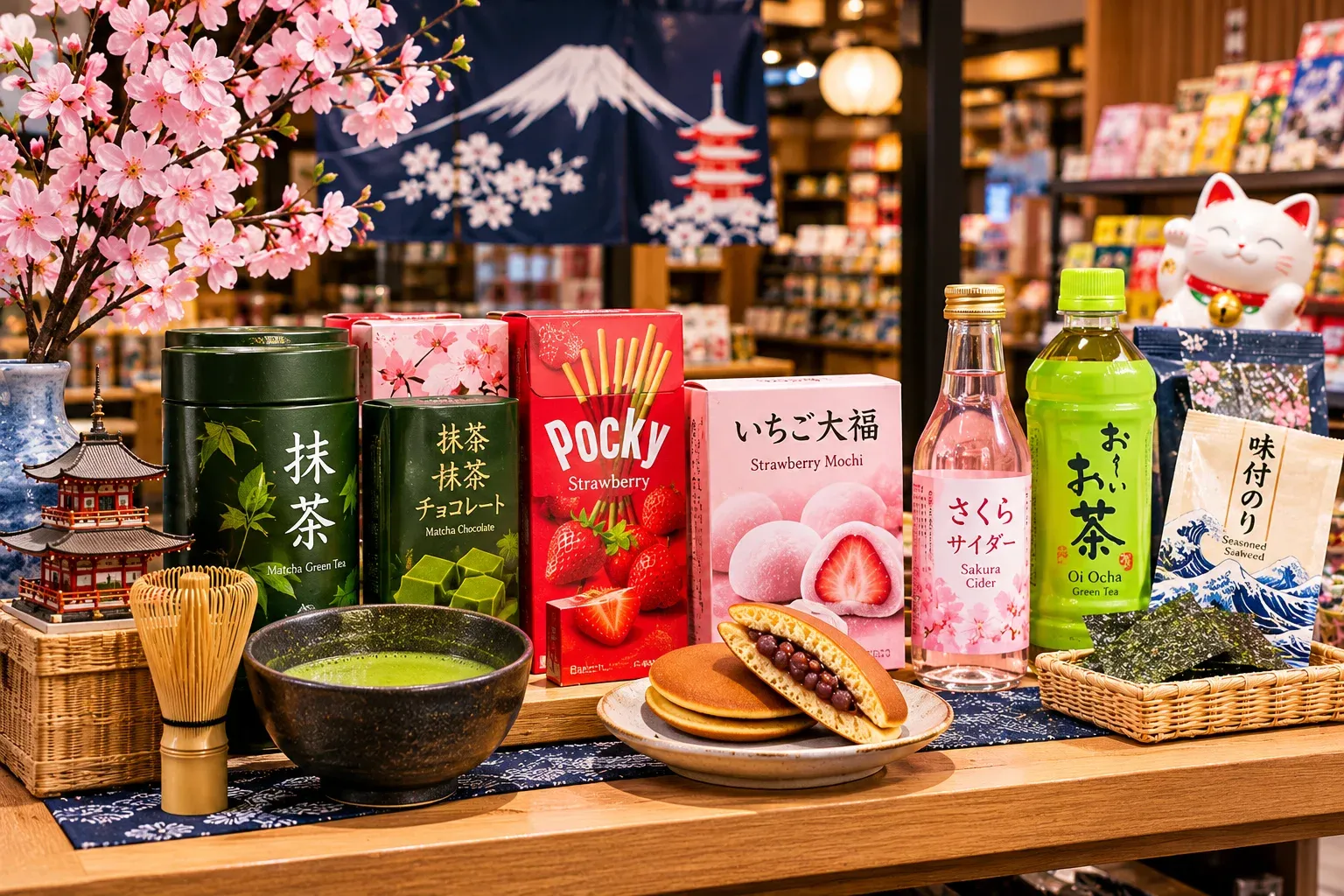
Food and Drink Souvenirs
- Regional Kit Kats: Unique flavor variations like sake, wasabi, or Okinawa sweet potato. These highly popular souvenirs from Japan are easy to transport and cost ¥400 to ¥800 per box.
- Uji Matcha Powder: Premium stone-ground green tea leaves from Kyoto, which ranks among the best places to visit in Japan. Keep it tightly sealed in the fridge to preserve its vibrant flavor and color. Costs ¥800 to ¥2,500.
- Premium Junmai Sake: Authentic fermented rice wine with no added alcohol. Keep the bottle upright in a cool, dark space. Available at department stores for ¥2,000 to ¥6,000.
- Tokyo Banana Cakes: Fluffy sponge cakes filled with smooth banana custard cream. They last roughly one week and require immediate consumption or refrigeration. Costs ¥1,000 to ¥2,200.
- Shichimi Togarashi: Traditional seven-spice chili blend that elevates home noodle dishes. Learning how regional kitchens blend these spices is one of Japan's most interesting fun facts. It is perfectly lightweight and stays fresh for six months. Costs ¥400 to ¥800.
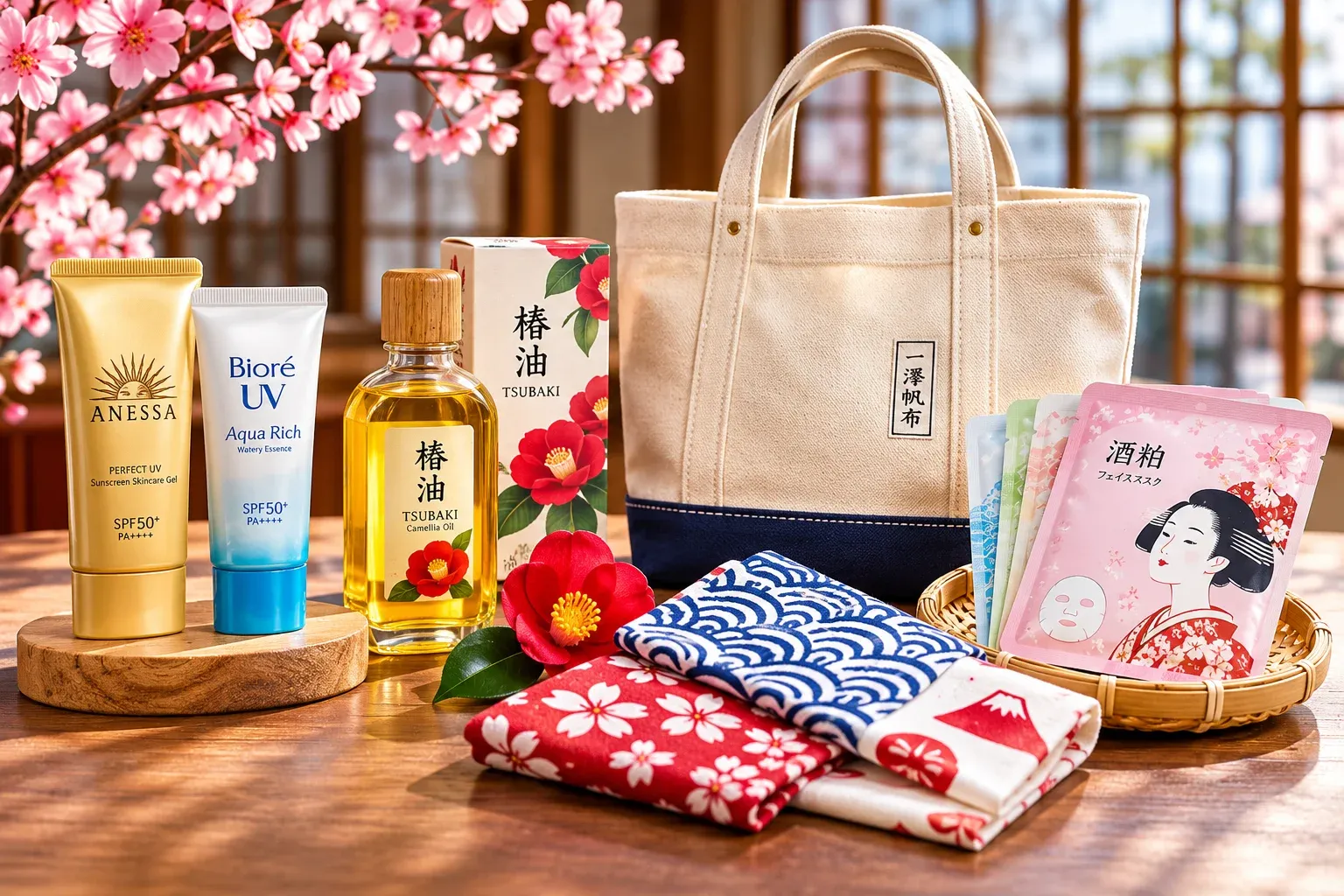
Fashion, Beauty, and Accessories
- Japanese Sunscreen: High-performance skincare offering exceptional UV protection without sticky residue. Available at local drugstores like Matsumoto Kiyoshi Japan for ¥800 to ¥3,000.
- Tsubaki Camellia Oil: Traditional hair and skin oil used for centuries by geishas. It comes in secure glass bottles at beauty retailers for ¥1,200 to ¥2,500.
- Canvas Tote Bags: Durable, minimalist bags from authentic local brands like Ichizawa Shinzaburo Hanpu. Available at Kyoto flagships for ¥4,000 to ¥9,000.
- Tenugui Cotton Cloth: Multifunctional dyed fabric used as hand towels or headbands. These are excellent lightweight things to buy in Japan sourced from specialty shops like Kamawanu Online Store, costing ¥1,500 to ¥3,000.
- Kaonashi Face Masks: High-quality sheet masks infused with local ingredients like sake lees. They take up zero space on your Japan packing list, fit easily into luggage, and cost ¥300 to ¥1,000.
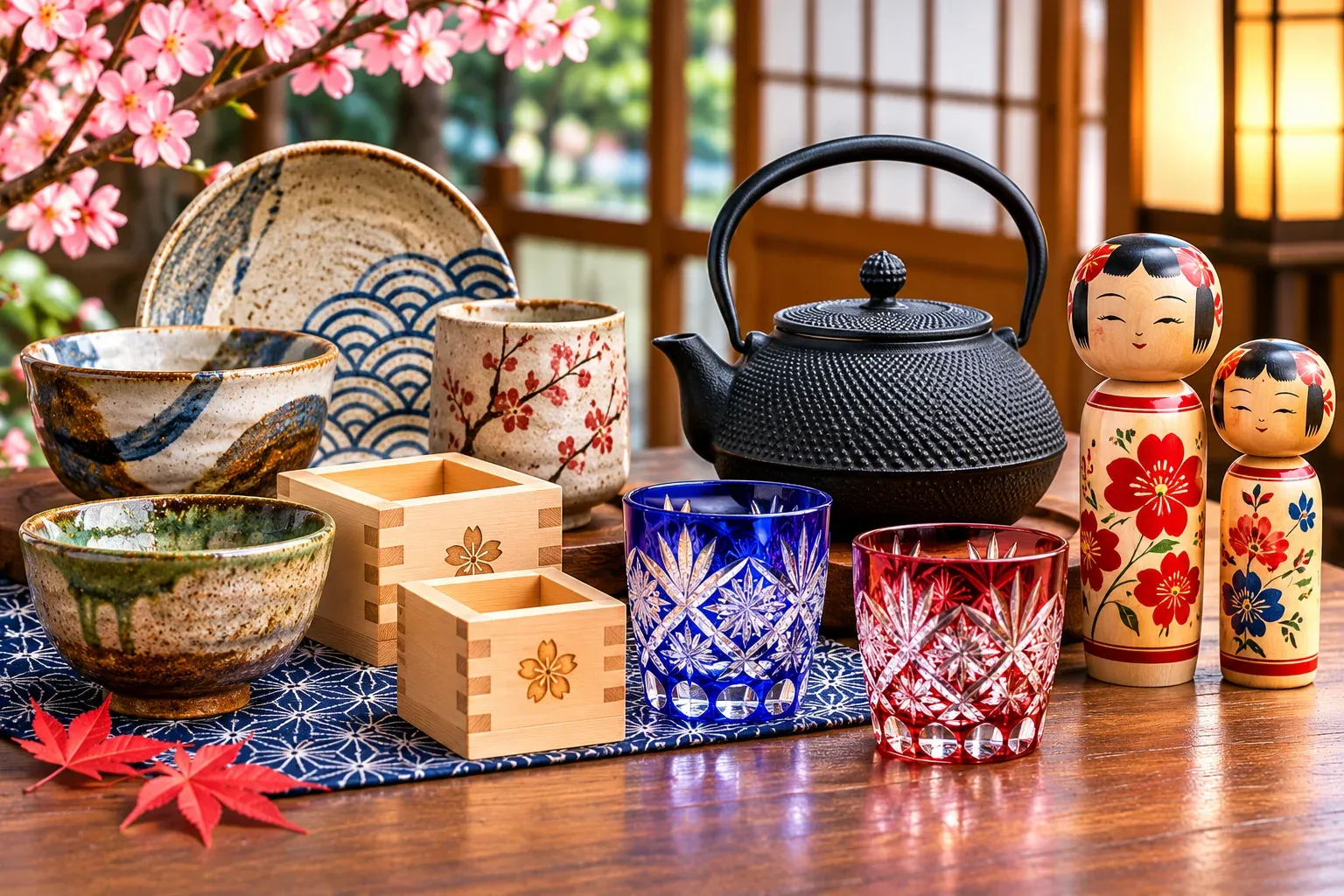
Handmade Crafts and Home Decor
- Mino Ware Ceramics: Beautiful pottery featuring signature earthy glazes from the Mino region. They require careful bubble wrapping due to fragility. Buy them in Asakusa for ¥1,000 to ¥3,500.
- Hinoki Masu Cups: Fragrant cypress wood boxes traditionally used for drinking sake. Keep them dry to preserve the natural wood aroma. Costs ¥800 to ¥2,000.
- Edo Kiriko Glassware: Hyper-detailed cut glass vessels from Tokyo. They are incredibly fragile and require dedicated carry-on transport. Expect to pay ¥5,000 to ¥15,000.
- Nambu Tekki Kettles: Heavy iron teapots crafted meticulously in Iwate. They add significant weight to your luggage but last a lifetime. Costs ¥6,000 to ¥18,000.
- Kokeshi Wooden Dolls: Minimalist, handmade wooden dolls originating from northern regions. These awesome Japanese souvenirs are sturdy home decorations costing ¥2,000 to ¥5,500 at folk art shops.
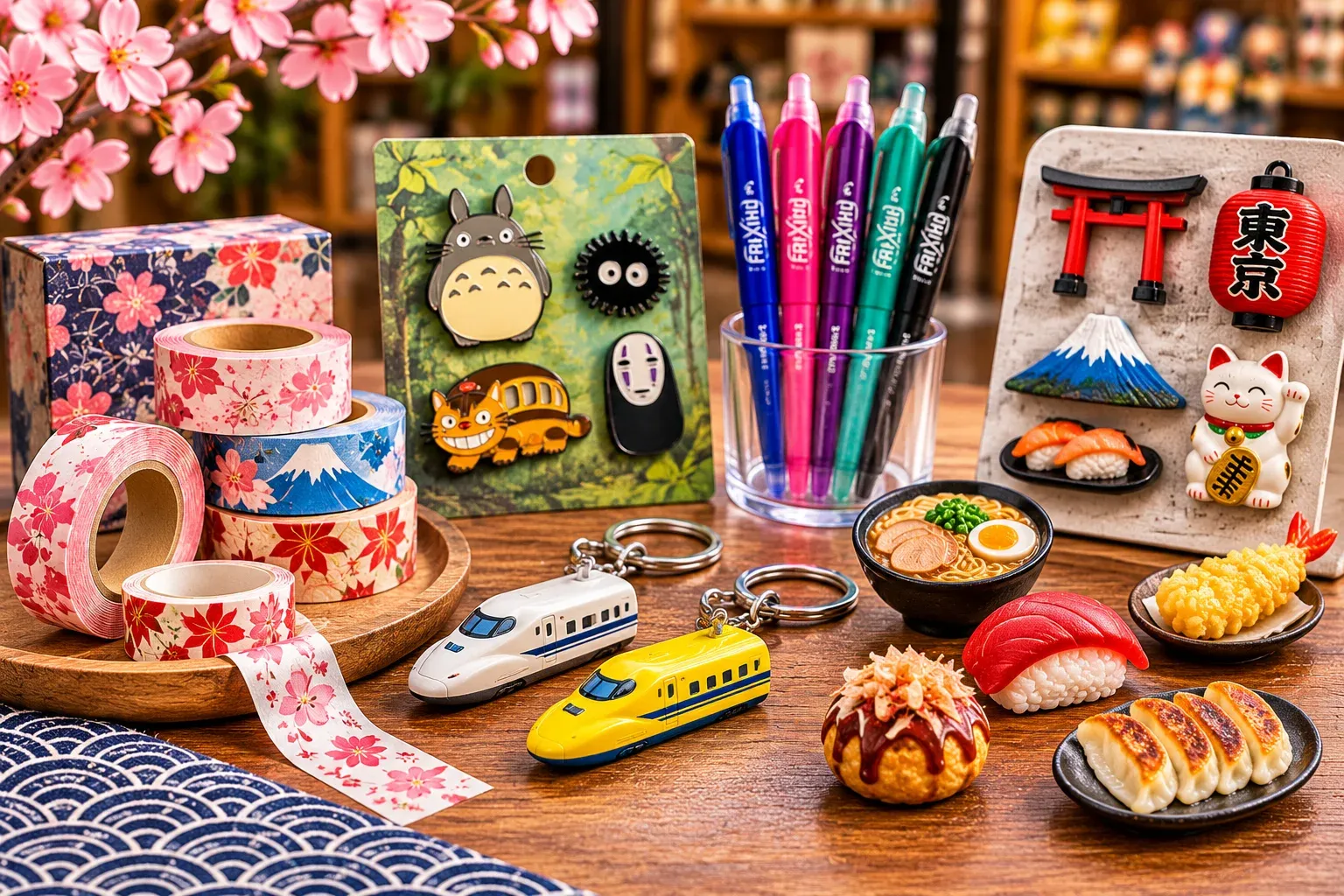
Affordable and Small Souvenirs
- Washi Masking Tape: Decorative paper tape featuring traditional patterns. Excellent for crafters and journal creators. Available at LOFT stores for ¥300 to ¥800.
- Shinkansen Keychains: Small miniature train replicas sold directly at major rail stations. They make wonderful gifts for children and cost ¥400 to ¥900.
- Ghibli Character Pins: Authentic character merchandise from the famous animation studio. You find these fun things to get in Japan at Donguri Republic shops for ¥600 to ¥1,500.
- Frixion Erasable Pens: Innovative stationery that utilizes heat-sensitive ink. They are highly practical gifts for coworkers and cost ¥200 to ¥600 at Ginza Itoya.
- Local Food Magnets: Realistic miniature plastic food replicas fitted with strong magnets. These make good souvenirs from Japan and are available in the Kappabashi kitchen district for ¥600 to ¥1,200.
Where to Buy Souvenirs in Japan
Local Markets and Traditional Shopping Streets
Exploring historic streets is one of the top things to do in Japan. Kyoto's Nishiki Market offers crafts and regional street food.
Tokyo's Kappabashi district provides professional chef knives and food replicas. These traditional venues guarantee you discover authentic Japan souvenirs.
Specialty Shops and Artisan Workshops
Boutiques like Kamawanu offer hand-dyed cotton cloths with superior quality standards. These specialized locations provide highly distinctive gifts from Japan.
Stationery hubs like Ginza Itoya supply premium pens and decorative papers. They are perfect for finding authentic heritage goods.
Department Stores and Shopping Centers
Department stores like Mitsukoshi offer exceptional convenience and luxury packaging. Sprawling basement food halls feature premium sake, managing your Japan travel cost.
Lifestyle mega-stores like LOFT sell modern home decor and beauty items. They provide streamlined tax-free counters to secure popular souvenirs from Japan.
Airports and Train Stations
Major transit hubs like Tokyo Station are excellent for securing last-minute things to get in Japan. Pre-packaged candy boxes match city-center rates.
Utilizing airport duty-free shops before departure remains one of the smartest Japan budgeting tips. This strategy avoids carrying heavy luggage throughout your trip.
Read more: Planning your trip to shop for these items? Check the best seasons for ideal weather and lower costs. Read our blog 👉 Best Time to Visit Japan If You’re Traveling from the US
How Much Do Souvenirs Cost in Japan?
Budget Souvenirs
- Price Bracket: ¥300 – ¥1,200 ($1.95 – $7.80 USD).
- Typical Items: Mass-produced snacks, decorative postcards, washi tape, and novelty keychains.
- Best Use: These affordable, lightweight items make excellent good souvenirs from Japan for coworkers and large groups.
Mid-Range Souvenirs
- Price Bracket: ¥1,200 – ¥4,500 ($7.80 – $29.25 USD).
- Typical Items: Boxed green tea powders, traditional folding fans, high-quality sunscreen, and everyday sake.
- Best Use: This tier covers highly functional things to buy in Japan that balance durable craftsmanship with approachable everyday pricing.
Premium and Luxury Souvenirs
- Price Bracket: ¥5,000 – ¥18,000+ ($32.50 – $117.00+ USD).
- Typical Items: Fine handmade ceramics, masterfully cut glassware, iron kettles, and premium textiles.
- Best Use: These investment purchases reflect intense artisan labor and deep heritage. Verifying official maker signatures remains one of the most vital Japan travel tips for collectors seeking genuine cultural masterpieces.
Read more: Love collecting authentic travel keepsakes? Explore top items to buy across Europe on your next trip. Read our blog 👉 Best European Souvenirs to Bring Home from Every Country
How to Choose the Best Souvenirs from Japan
- Verify Regional Authenticity: Look for official traditional craft certifications or master artisan signatures stamped on the packaging to ensure your Japan souvenirs are genuine.
- Prioritize Local Production: Check material labels and ingredient lists closely to avoid mass-produced factory duplicates or cheap tourist imitations.
- Evaluate Transport Logistics: Consider the physical fragility, total weight, and customs regulations of items before heading to the register.
- Match Recipient Hobbies: Select specific items that align directly with your friends' personal tastes rather than buying generic trinkets.
Shopping Tips for Buying Souvenirs in Japan
- Carry physical cash for small traditional street markets and neighborhood shrine stalls.
- Avoid bargaining because fixed pricing remains standard across the entire country.
- Download the best travel apps for maps and ingredient label translations.
- Use your passport at department stores to get immediate tax-free discounts.
- Keep your purchase receipts completely organized for potential airport customs inspection.
- Pack an extra collapsible duffle bag to secure your awesome Japan souvenirs.
- Check boutique operating hours since small craft shops often close early.
- Research local retail rules to easily find the most unique cultural keepsakes.
Read more: Visiting Japan for the first time? Get practical tips on transit, budgeting, and essential travel advice. Read our blog 👉 Japan Travel Guide for First-Timers: Itinerary, Costs, Transport & Tips
Stay Connected While Shopping in Japan with Jetpac
Finding historic artisan shops, translating product labels, and checking item reviews require reliable mobile data. Buying a digital Japan eSIM before landing helps you navigate crowded markets smoothly while avoiding expensive carrier roaming.
Activating a Jetpac eSIM for Japan keeps Google Maps working even if your data runs out. It also includes in-app calling rates starting from $1.99 to reach local shops directly.
Compared to traditional roaming, Jetpac is the best eSIM for Japan travel. Get your Japan eSIM with Jetpac and stay connected throughout your trip.
Read more: Structuring your trip duration? Use these step-by-step itineraries to plan your daily route smoothly. Read our blog 👉 Japan Travel Itinerary Guide: How to Plan Your Trip for 2, 7, 10, or 14 Days
FAQs
What is Japan famous for buying?
Japan is famous globally for high-quality electronics, authentic matcha green tea powder, skincare products, unique stationery items, and regional Kit Kat candy varieties.
What is a traditional souvenir from Japan?
Authentic traditional options include hand-dyed tenugui cloths, Shinto temple omamori amulets, sensu folding fans, and handmade ceramics, which rank among the best souvenirs from Japan.
What is the cheapest souvenir to buy in Japan?
Washi tape assortments, standard postcards, and miniature magnets are the cheapest items. They serve as excellent, budget-friendly good souvenirs from Japan for large groups.
Are souvenirs cheaper in local markets or shopping malls in Japan?
Prices remain consistent across venues. Local markets offer better deals on handmade artisan crafts, while major train stations specialize in affordably priced, mass-produced sweets.
Can tourists get tax-free shopping in Japan?
Yes. Present your physical passport at participating retail registers or mall service counters to instantly remove the standard local ten percent consumption tax.
What souvenirs can you bring home from Japan?
You can pack packaged snacks, packaged tea, local cosmetics, and wooden dolls. Utilizing airport duty-free shops helps secure these awesome Japan souvenirs easily.
Disclaimer
The information in this blog is based on product availability, market prices, and retail locations available to the Jetpac team at the time of writing in 2026. Specific details, including pricing, store locations, tax-free regulations, and customs rules, are subject to change without notice. We recommend verifying all practical details directly with official vendor websites and local store guidance before your trip. Jetpac is not responsible for any changes or outcomes post-publication.
Get connected as soon as you land with a Jetpac travel eSIM.