25 Mexico Travel Tips: What to Know Before You Go
Planning a trip to Mexico takes more than choosing a beach. Get 25 tips on entry rules, regional safety, transport, money, local customs, food and staying connected.

Mexico is one of the most visited countries in the world, and arriving with the right knowledge makes the difference between a smooth trip and a string of avoidable problems.
These Mexico travel tips for first-timers cover planning, transport, money, customs, safety, and connectivity. For anyone heading to Mexico for the first time, these tips for visiting Mexico make the biggest practical difference before and during the trip.
From the Pacific coast to the Yucatan Peninsula, things to know before visiting Mexico start with one important fact. The country spans 31 states, four time zones, and very different safety and customs rules by region.
Mexico Travel Tips at a Glance
The best travel tips for Mexico are organized below by topic. These travel tips for Mexico apply whether you are planning 7 days or 21 days. Consider these Mexico travel tips the starting point for any trip you are planning.
Read More: Planning a multi-region trip requires carefully balancing cities, coasts, and budgets. Read our blog 👉 Mexico Travel Guide: Itinerary, Places, Transport, Tips & More
Best Time to Visit
Tip 1: Time Your Visit by Region
The best time to visit Mexico depends heavily on your destination. The Pacific coast runs dry from November to April, while the Yucatan Peninsula is warmest and least humid from December to March. The shoulder months of October and May offer lower prices and fewer crowds without peak summer heat.
Tip 2: Avoid the Coasts During Hurricane Season
Hurricane season runs June through October and particularly affects the Gulf Coast and Caribbean side. Travel during this period is still possible, but trip insurance becomes more important and some coastal accommodations close for maintenance during the low season.
Getting There & Getting Around
Tip 3: No Visa Needed, But Entry is Digital
Do you need a visa to travel to Mexico? Citizens of the US, UK, Canada, and the EU do not need one for tourist stays up to 180 days.
Mexico’s immigration process is now fully digital for air arrivals. Airlines collect your entry details at check-in, and you complete the process electronically on arrival. No paper form needs to be filled out or returned at departure.
Tip 4: Take Buses for Long-Distance Routes
Mexico transportation between cities is best handled by ADO or ETN buses, which are comfortable, air-conditioned, and priced at approximately $15 to $35 USD for major routes. For the Copper Canyon region, book the El Chepe train in advance, as departures are limited.
Tip 5: Use Uber Over Street Taxis in Cities
Within cities, use Uber in Mexico City, Guadalajara, and Monterrey for safer point-to-point rides. Official taxi ranks at airports are preferable to street hails in unfamiliar areas. Always confirm the fare before getting in with any taxi not booked through an app.
Where to Stay
Tip 6: Book Boutique Hotels for Better Value
Thinking about the best places to travel in Mexico starts with accommodation type.
Boutique hotels in Oaxaca, Merida, and San Cristobal de las Casas offer better value and local character than international chains. For beach stays, Tulum and Sayulita fill up fast in high season; book at least six weeks out.
Tip 7: Know Your Accommodation Price Ranges
Hostels in Mexico City, Guadalajara, and Playa del Carmen run approximately $15 to $25 USD per night for dorm beds. Mid-range hotels average approximately $60 to $100 USD per night. Luxury beach resorts in Los Cabos and Cancun start at approximately $200 USD per night.
Money & Budgeting
Tip 8: Set a Daily Budget Before You Go
Mexico travel costs on a backpacker budget run approximately $40 to $60 USD per day, covering a dorm bed, street food, and local transport. A mid-range traveler spending on private rooms, restaurant meals, and day trips should budget approximately $100 to $150 USD per day.
Tip 9: Use ATMs Inside Bank Branches
Always withdraw cash from ATMs inside bank branches rather than standalone machines on the street. Use a no-foreign-transaction-fee card where possible. Notify your bank before departing to avoid automatic card freezes when charges come through from Mexico.
Tip 10: Carry Small Bills for Cash-Only Spots
Markets, smaller restaurants, taxis, and many guesthouses are cash only. Street food runs approximately $1 to $3 USD per item. Carry small bills since exact change is preferred at markets and food stalls. Keep larger bills for hotel checkouts and bigger restaurant bills.
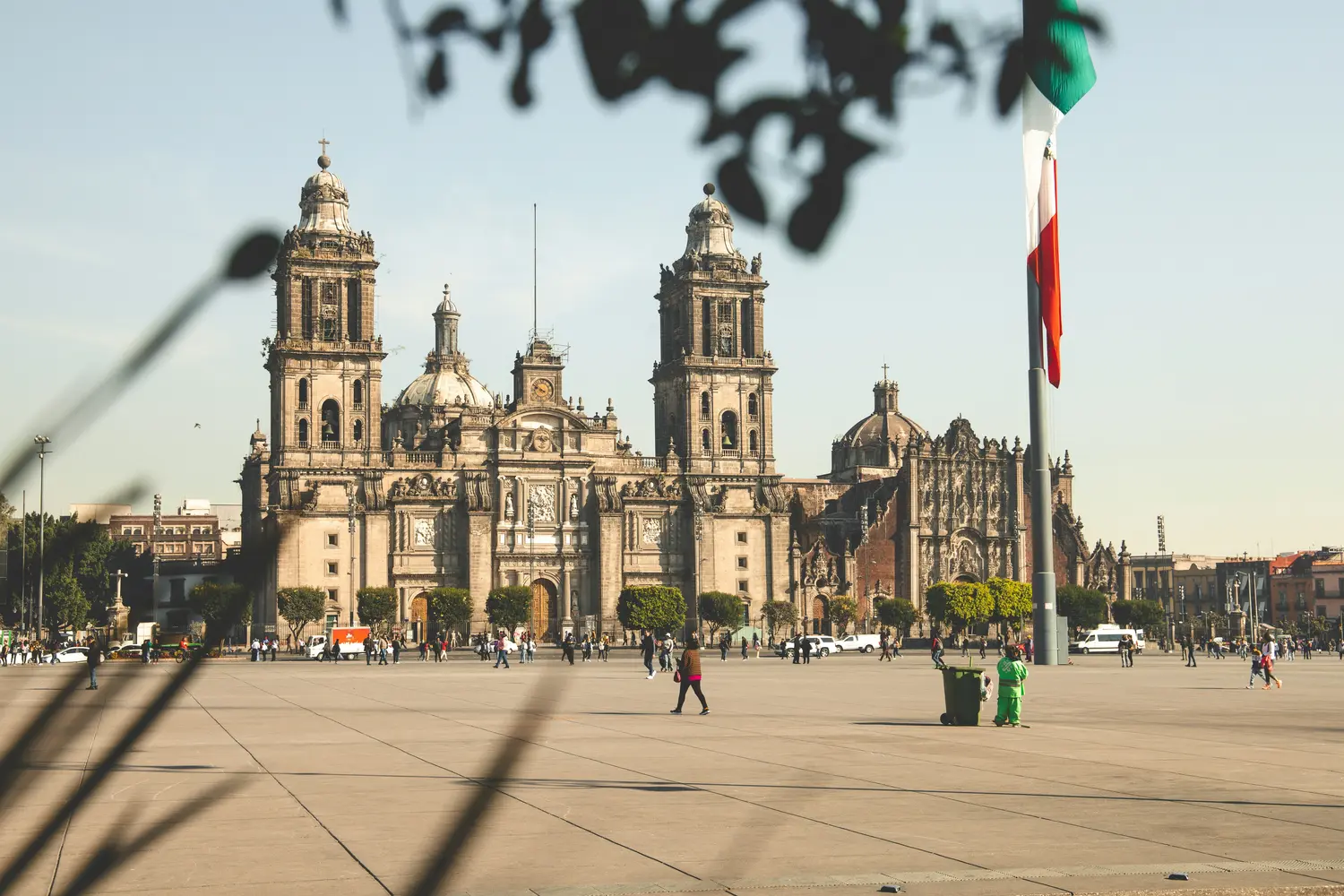
Read More: Mexico has some excellent destinations for travelers on a tight budget. Read our blog 👉 12 Cheap Places to Travel in Mexico for Budget Adventures
Safety Tips
Tip 11: Check Safety by State, Not Just by Country
Is it safe to travel to Mexico? Safety varies significantly by state and city. Tourist-heavy areas like Mexico City’s Roma and Condesa neighborhoods, Oaxaca, Merida, and the Yucatan Peninsula consistently rank as low-risk. Northern border states and parts of the Pacific coast carry higher risk and are best avoided without local knowledge.
Tip 12: Register With Your Government’s Travel Advisory
Register with your government’s travel advisory system before departure. The US Smart Traveler Enrollment Program (STEP), UK FCDO, and Canadian Embassy registration provide emergency alerts and facilitate consular help if something goes wrong. The national emergency number across Mexico is 911.
Tip 13: Keep Passport Copies in Separate Places
Keep a photo of your passport stored in your email and a printed copy in a separate section of your bag. Emergency documents at consulates are processed faster when you have a copy in hand. Keep original documents in the hotel safe and carry photocopies for day trips.
Local Customs & Etiquette
Tip 14: Learn Basic Greetings Before You Arrive
Greet people with a single cheek kiss in social settings; a handshake works in formal or business contexts. Saying “Buenos dias” or “Buenas tardes” before asking for help is expected politeness and makes a noticeable difference in how you are received in smaller towns and markets.
Tip 15: Dress Modestly at Religious Sites
Dressing modestly at religious sites is a Mexico travel tips and tricks point most visitors overlook. Tank tops and shorts are not appropriate inside churches and chapels, even as a tourist. Carrying a light scarf or sarong resolves this without adding weight to your bag.
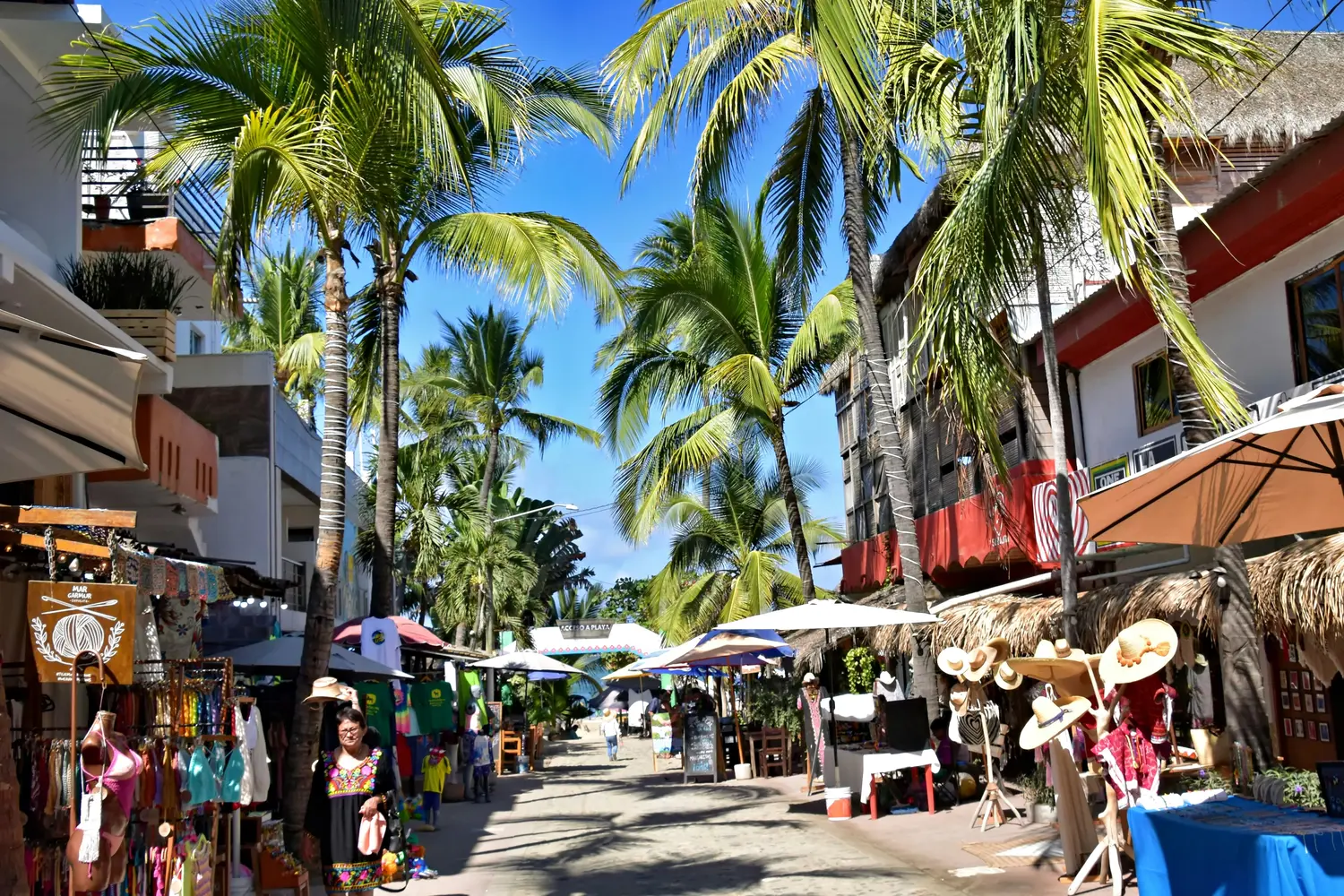
What to Pack
Tip 16: Buy Sunscreen at a Mexican Pharmacy
A Mexico packing list should cover sun protection as a priority. SPF 50 sunscreen, a wide-brimmed hat, and UV-protective sunglasses are non-negotiable at beaches and ruin sites. Quality sunscreen is expensive in tourist areas; buy it at a Mexican pharmacy like Farmacias del Ahorro before heading to the coast.
Tip 17: Pack a Water Filter Bottle
A portable water filter bottle or purification tablets belong on every Mexico packing list. Tap water is not safe to drink in most regions. Bottled water is widely available but adds up in cost and plastic waste over a longer trip.
Food & Drink Tips
Tip 18: Eat Where Locals Eat
Eat where locals eat. Cocinas economicas serve complete meals including soup, a main, rice, beans, and a drink for approximately $4 to $6 USD. Avoid restaurants with photo menus and English translations near major tourist squares, which charge two to three times the local price for the same quality.
Tip 19: Always Confirm Your Water is Purified
Ask whether water is purified whenever ordering a drink or accepting a glass at a small restaurant. Ice in tourist restaurants is generally made from purified water, but confirm this in smaller towns.
Montezuma’s revenge is avoidable with consistent attention to this one detail.
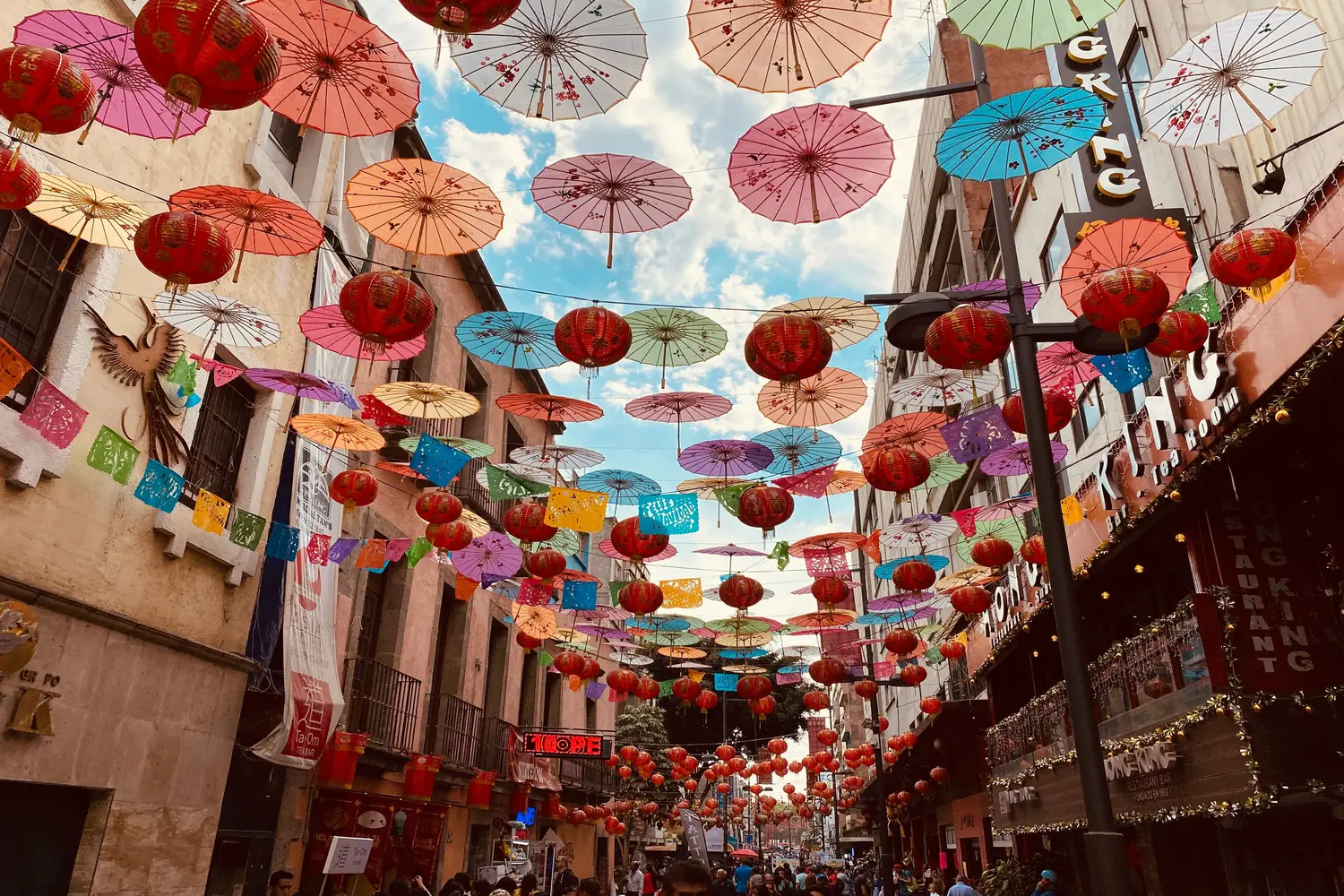
Read More: Mexico City has an enormous amount to explore for a first visit. Read our blog 👉 15 Best Things to Do in Mexico City on Your First Trip
Staying Connected
Tip 20: Activate an eSIM Before You Land
Will my phone work in Mexico? Most international plans include Mexico under their North America roaming packages. Check with your carrier before departing. An eSIM Mexico plan activates before you depart and covers Telcel and AT&T Mexico, the two largest networks, without needing to swap your physical SIM.
Tip 21: Choose an eSIM With Multi-Carrier Coverage
The best eSIM for Mexico travel offers multi-carrier fallback, automatically switching between Telcel and AT&T Mexico when signal is weak. Local SIM cards from Telcel are available at the airport and Oxxo stores, though top-up and account management is easier when done in Spanish.
Health & Travel Insurance
Tip 22: Get Vaccinated at Least Six Weeks Before
Hepatitis A and Typhoid vaccinations are recommended for most Mexico trips, particularly if your Mexico travel itinerary includes rural areas, street food, and local markets. Yellow Fever vaccination is required if you are arriving from a country with active Yellow Fever transmission. Check with your doctor at least six weeks before departure.
Tip 23: Get Insurance That Covers Medical Evacuation
Travel insurance covering medical evacuation is not optional for Mexico. Public hospitals vary in quality significantly by city. Private hospitals in Mexico City, Guadalajara, and Cancun are excellent but expensive without coverage. Medical evacuation from a remote Mexico travel itinerary back to your home country can exceed approximately $50,000 USD without insurance.
Local Laws
Tip 24: Get a Drone Permit or Leave It at Home
Drone use in Mexico requires a permit from AFAC (Agencia Federal de Aviación Civil). Flying near archaeological sites, protected beaches, and urban zones without prior approval results in confiscation and fines. Check current rules at AFAC Mexico before packing yours.
Tip 25: Know Mexico’s Drug and Medication Laws
Personal use of marijuana was decriminalized in Mexico in limited amounts following a 2021 Supreme Court ruling, but public consumption and purchase outside licensed channels remain legally ambiguous and vary by state. Prescription medication must travel with its original packaging and a doctor’s letter for quantities exceeding a standard course.
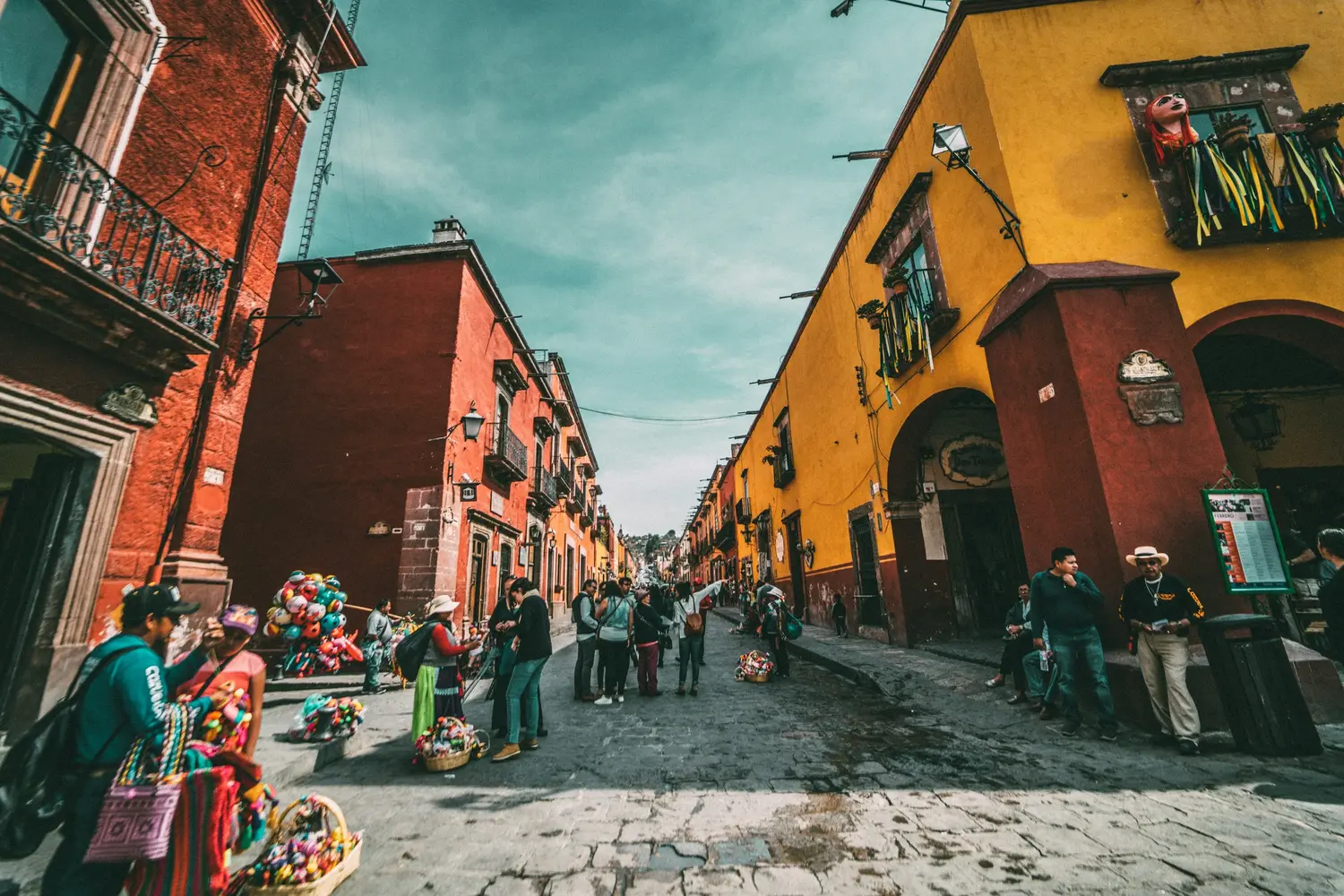
Read More: Before heading south, there is plenty worth knowing about Mexico’s history and culture. Read our blog 👉 Top 20 Fun Facts About Mexico: Hidden Gems, Culture & Nature
What to Book in Advance
Responsible & Sustainable Travel
Archaeological sites across Mexico have implemented strict rules to protect structures from erosion. Climbing is prohibited at Chichen Itza, Uxmal, and Monte Alban. Following these rules keeps access open for future visitors and protects sites that have survived centuries.
Reef ecosystems along the Mayan Riviera are fragile. Use reef-safe sunscreen (free of oxybenzone and octinoxate), avoid touching coral, and book snorkeling tours with operators who brief guests on no-contact rules.
The Great Maya Reef is the second largest in the world, and degradation from tourism has accelerated in the last decade.
Common Mistakes to Avoid
The Mexico travel tips for first-timers that save the most trouble are these.
- Exchanging currency at the airport. Airport rates are significantly worse than ATM rates in the city.
- Ignoring travel advisories for specific states. The overall country rating does not reflect regional risk variations.
- Skipping travel insurance. Medical costs without it are severe.
- Drinking tap water. Even locals in many cities drink purified water.
- Carrying only large bills. Small change is essential at markets and street food stalls.
- Booking tours through hotel desks only. Third-party operators and direct bookings are often 20 to 30% cheaper.
- Underestimating distances. Mexico is large; a 3-city itinerary can involve 8-hour bus journeys.
Tips for Different Types of Travelers
These tips for visiting Mexico apply equally to solo travelers, couples, and families, but a few adjustments are worth making by travel style.
Mexico solo travel is popular in Oaxaca, San Miguel de Allende, and Mexico City’s Condesa neighborhood. Solo travelers benefit from staying in social hostels, joining day tours through reputable operators, and using apps like Meetup Mexico City to find other travelers. Avoid walking alone at night in unfamiliar neighborhoods regardless of the city.
Female solo travelers find Oaxaca, Merida, and Playa del Carmen consistently welcoming. Research specific neighborhoods before arrival and book the first night’s accommodation before landing.
Families do well in Cancun and Los Cabos, where resort infrastructure makes logistics straightforward. Seniors benefit from planning itineraries with altitude acclimatization in mind; Mexico City sits at approximately 7,350 feet above sea level.
LGBTQ+ travelers find Puerto Vallarta and Mexico City’s Zona Rosa consistently welcoming, with established venues and annual Pride events in both cities.
Suggested Trip Length
Seven days covers Mexico City plus one additional region, either Oaxaca or the Yucatan Peninsula, without feeling rushed. Fourteen days allows for a two-region trip with a beach stay at the end.
Twenty-one days or more opens up routes like the Pacific coast from Puerto Vallarta to Oaxaca, or a full Yucatan loop including Merida, Chichen Itza, Tulum, and Bacalar.
The travel tips for Mexico above remain relevant regardless of trip length. First-time visitors who try to cover too much ground in too little time all say the same thing. They wish they had stayed longer in one place.
Mexico rewards slower travel; a week in Oaxaca feels more complete than a rushed three-city sprint.
Mexico Pre-Trip Checklist
- Check passport validity (6 months minimum recommended beyond travel dates)
- Review government travel advisories for your specific destinations
- Book a vaccination appointment 6 weeks before departure
- Purchase travel insurance with medical evacuation coverage
- Notify your bank of travel dates and destinations
- Set up an eSIM Mexico plan or confirm local SIM purchase on arrival
- Download offline maps for your destinations (Maps.me or Google Maps offline)
- Book major attractions including Chichen Itza, Teotihuacan, and the El Chepe train
- Pack reef-safe sunscreen and a portable water filter bottle
- Save 911 and your country’s embassy number in Mexico to your phone
Staying Connected in Mexico
Staying connected across Mexico’s varied geography means knowing which networks cover your specific route. Telcel and AT&T Mexico cover the largest portions of the country, including rural areas, archaeological zones, and coastal towns that smaller providers do not reach.
Jetpac eSIM plans for Mexico run on Telcel and AT&T Mexico networks, so your connection does not drop when you move between regions. A Mexico eSIM activates before you leave home, meaning you land with data already running.
No queuing at airport SIM kiosks, no language barrier at a carrier store, and no hunting for top-up credit in an unfamiliar town.
Jetpac plans work across iOS and Android devices that support eSIM. Setup takes under five minutes.
Read More: Get a full breakdown of internet speeds and coverage across Mexico’s regions. Read our blog 👉 Internet in Mexico: Best Providers and Avoid Roaming Fees
FAQs
What is the best way to get around Mexico?
Long-distance ADO or ETN buses are the most reliable and affordable option between cities. Uber works well for urban rides in major cities; domestic flights make sense for distances over 6 hours.
Should I use cash or card in Mexico?
Both, but always carry cash. Cards are accepted at hotels, supermarkets, and larger restaurants; street food, markets, and smaller guesthouses are cash only.
Are there cultural customs I should know before visiting?
Greet with a single cheek kiss in social settings and always say hello before making a request in shops or markets. Tipping 10 to 15% at restaurants is expected.
Is an eSIM or local SIM better for Mexico?
An eSIM Mexico plan is the more practical option for most travelers. It activates before you land and runs on the same major networks as a local SIM, without the queuing or language barrier.
Is Mexico safe for solo travelers?
Traveling solo in Mexico is common and largely safe in major tourist destinations. Stick to well-reviewed neighborhoods and use Uber over street taxis at night.
How many days do you need in Mexico?
Seven days covers Mexico City and one other region comfortably. Fourteen days allows two regions; twenty-one days opens up a fuller cross-country route.
Is Mexico expensive to travel?
Mexico travel tips 2026 put the daily budget at approximately $40 to $60 USD for budget travelers and $100 to $150 USD for mid-range. Major tourist areas like Los Cabos and Cancun run higher than inland cities.
What should I not miss on a first trip to Mexico?
Mexico City’s historic center and food scene, the ruins at Chichen Itza or Teotihuacan, an afternoon in Oaxaca’s markets, and at least one night on the coast are the highlights most first-timers wish they had planned more time for.
Disclaimer
All information was accurate at the time of writing. Prices, visa and entry requirements, travel advisories, local laws, transport schedules and health recommendations may change after publication. Always verify the latest details with official government sources and service providers before travelling. Jetpac is not responsible for any changes to the information after publication.
Get connected as soon as you land with a Jetpac travel eSIM.